

Summer style trends shift through measurable changes in color palettes, silhouettes, textures, and consumer values that reset each season. The industry term for this process is “trend forecasting,” and it draws on retail data, runway signals, and cultural cues to predict what shoppers will reach for from june through august. Understanding these forces helps you build a wardrobe that stays current without starting from scratch every year. Danflashes designs its bold Hawaiian and beach shirts directly around these seasonal signals, which is why their patterns feel fresh rather than dated.
How summer style trends shift: the core drivers
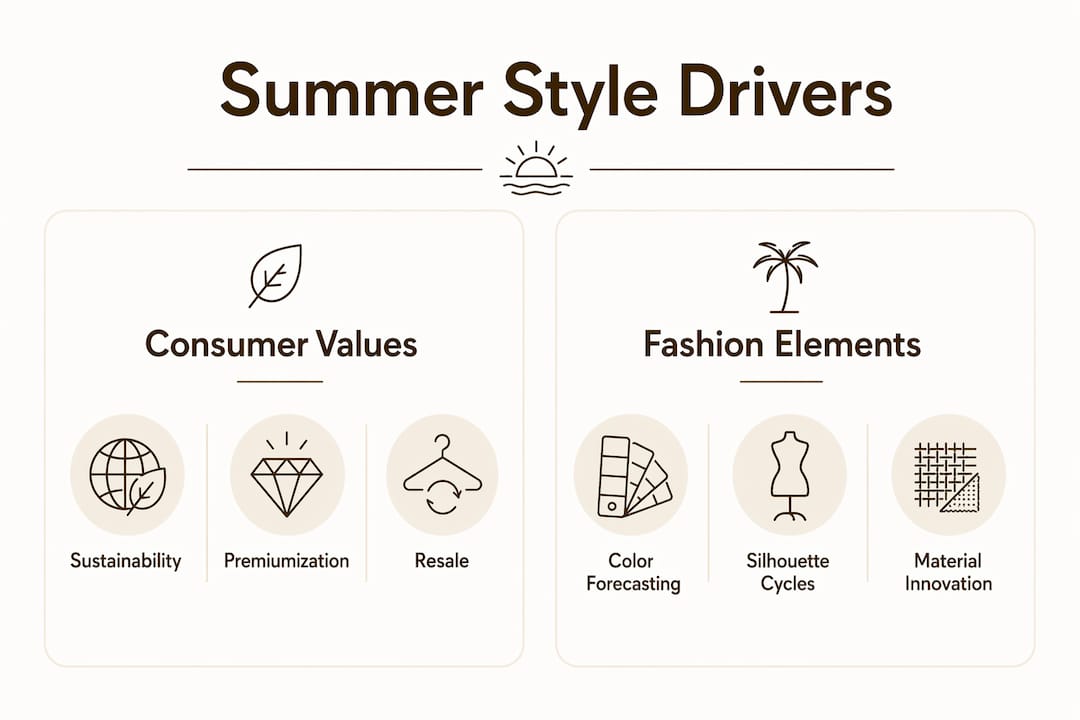
Summer style evolution is not random. It follows a repeatable pattern driven by color forecasting, silhouette cycles, material innovation, and shifting consumer priorities. When multiple leading fashion houses align on a single color, that color moves from a transient trend to a lasting seasonal statement. That alignment is what separates a passing moment from a wardrobe staple.
Three forces consistently drive summer fashion changes each season. First, color forecasting agencies identify anchor palette colors months in advance. Second, cultural nostalgia pulls specific silhouettes back into relevance. Third, economic conditions determine whether shoppers buy more pieces at lower prices or fewer pieces at higher quality. All three forces operated simultaneously in 2026, creating one of the most contrasted summers in recent memory.
What role do color and prints play in shifting summer style trends?
Color is the fastest signal of a seasonal shift. Shoppers notice a new palette before they notice a new cut or fabric. For summer 2026, yellow tones took center stage. Vanilla Yellow and Popcorn Yellow are forecast to grow 22% among European women, pairing naturally with raw denim and tan leather. That growth rate signals a genuine palette shift, not a one-season experiment.
Prints tell a parallel story. Polka dots are a leading summer print, with +55% visibility growth across Europe in 2026. Big dot dresses specifically rose +80% among European women. That scale of growth shows polka dots have moved well beyond a niche aesthetic into mainstream summer dressing.
Key print trends shaping current summer style include:
- Polka dots: Big, graphic dots on dresses and tops, appealing across age groups
- Gingham: Classic check pattern with cross-demographic reach, especially in picnic-ready blues and reds
- Tropical and botanical prints: Directly tied to the Hawaiian shirt tradition, with bold florals and palm motifs
- Color blocking: Solid panels of contrasting colors replacing busy surface patterns for a cleaner look
The nostalgia factor runs through all of these. Gingham and polka dots carry a retro warmth that feels both familiar and fresh. Brands that balance that nostalgia with contemporary color choices, like pairing a classic dot print with a modern Vanilla Yellow ground, capture the widest audience.
Pro Tip: When a color appears across accessories, footwear, and apparel simultaneously, it has reached anchor status. Build one or two pieces around it rather than overhauling your entire wardrobe.
How do silhouettes and textures evolve to reflect summer style changes?
Silhouettes shift more slowly than colors, but their impact on a wardrobe is deeper. The dominant shape story for summer 2026 is a 1990s revival filtered through a modern lens. Capri pants grew +62% and flip-flops grew +73% in 2026, confirming that minimalist, streamlined silhouettes are back in force. These are not throwback novelties. They are clean, wearable shapes that work across casual and semi-dressed occasions.
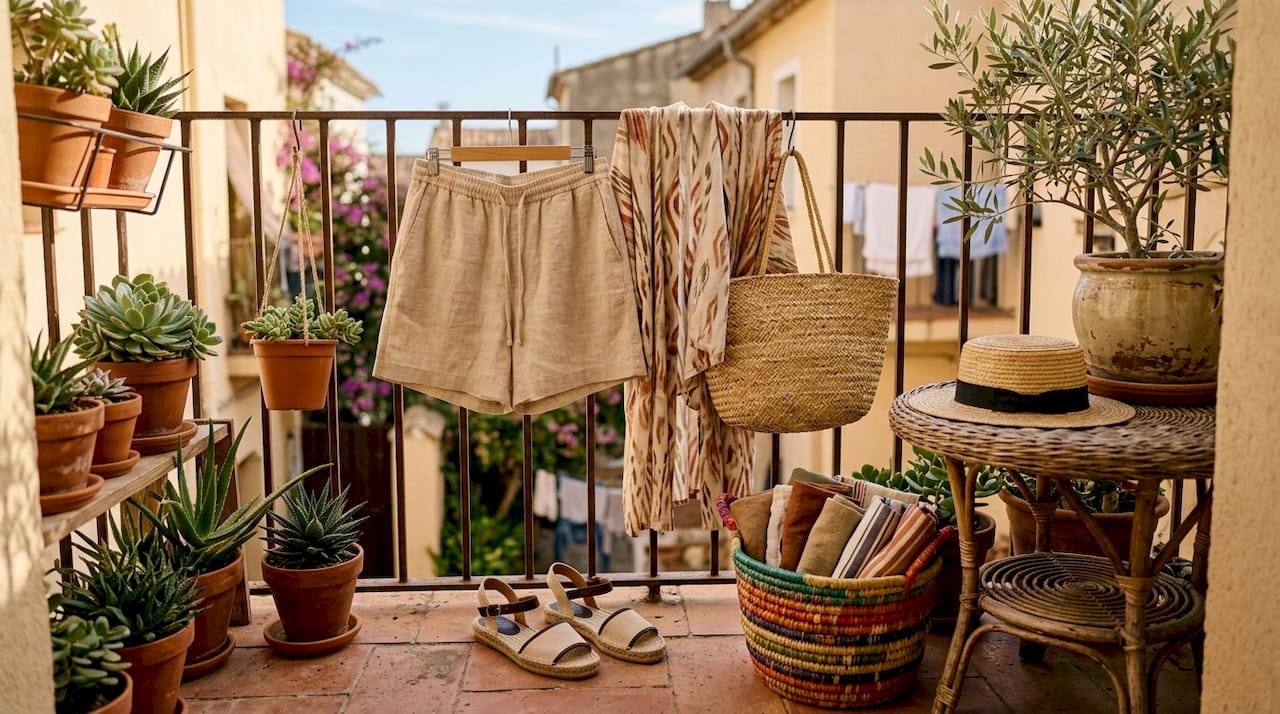
Texture adds dimension where silhouette stays simple. Raffia has transcended seasonal beachwear to become a year-round structural element in shoes, jewelry, and clothing. Its adoption across multiple product categories shows that tactile materials now carry the same seasonal weight as traditional textiles like linen. Lace is following a similar path, adding softness and visual interest to otherwise minimal summer outfits.
The silhouette landscape for summer 2026 breaks into three clear categories:
- Minimalist and streamlined: Capri pants, Bermuda shorts, and slip dresses in neutral or single-color palettes
- Relaxed and sporty: Soccer-inspired shorts paired with polished tops, merging comfort with personality
- Textural and dimensional: Raffia bags, lace overlays, and flared denim that add visual weight without bulk
Pro Tip: Pair a sporty silhouette with one polished piece, like a structured sandal or a printed button-up shirt, to avoid looking purely athletic. The contrast is the point.
Flared denim also deserves attention. It bridges the 1990s minimalism revival with a slightly more dramatic shape, giving wearers a way to stay trend-relevant without committing to the full retro look. The key is proportion: a wide leg at the bottom calls for a fitted or tucked top.
In what ways do consumer values and economic factors drive shifts in summer style trends?
Consumer values now shape summer fashion changes as directly as runway trends do. 74% of consumers are willing to pay more for sustainable and traceable products. That willingness has pushed brands to prioritize durable basics over disposable seasonal pieces, and it has changed what “value” means in summer shopping.
Premiumization is the clearest economic signal. Denim ranges expanded by 50% in the EU, and outerwear prices rose 9% in the EU and 17% in the US. Those numbers reflect a market where shoppers buy fewer pieces but expect more from each one. Quality construction, natural fibers, and longevity of style are now the primary purchase criteria for a growing segment of summer shoppers.
| Consumer shift | What it means for summer shopping |
|---|---|
| Sustainability priority | Shoppers favor natural fibers like cotton, linen, and bamboo hemp over synthetics |
| Premiumization | Fewer purchases, higher spend per item, focus on versatile pieces |
| Resale and vintage growth | Maximalist and statement pieces find new audiences at accessible prices |
| Traceability demand | Brands that disclose materials and sourcing build stronger loyalty |
Resale and vintage markets are the counterweight to premiumization. Fringe grew +34% and sequins +40% as consumers sought glamorous, individual looks without full retail prices. This dynamic supports maximalist summer dressing at every budget level.
Pro Tip: Invest in one or two premium natural-fiber basics each season, then use resale platforms to add statement pieces. You get longevity and personality without overspending.
How do cultural nostalgia and social occasions affect the evolution of summer style?
Cultural nostalgia is one of the most reliable engines of summer style evolution. The 1990s revival is not simply a fashion cycle repeating itself. It reflects a broader cultural desire for simplicity and clarity after years of maximalist excess. Jelly sandals and flip-flops have returned with modern material upgrades and refined colorways, making them feel current rather than costumey.
Summer 2026 is defined by a stylistic pendulum swinging between beige minimalism and vibrant maximalism. Social events are the trigger. Festivals, outdoor weddings, and rooftop gatherings push people toward bolder color and more expressive prints. Everyday commuting and casual weekends pull them back toward clean lines and neutral palettes. The result is a wardrobe that needs to work across both registers.
Practical style combinations that reflect this balance include:
- A polka dot midi dress with flat sandals for a daytime event
- Bermuda shorts in a solid neutral paired with a bold tropical print shirt for a casual evening
- Lace-trimmed separates with raffia accessories for a beach-to-dinner transition
- Soccer shorts with a structured linen shirt for a relaxed but intentional weekend look
The mixing of sporty and polished is the defining skill of summer 2026 dressing. Functional clothing influences, including technical fabrics and utility details, have moved into casual summer styles. Cargo pockets on summer trousers and technical stretch in casual shirts are no longer athletic-only features. They are now standard expectations for summer comfort.
Key Takeaways
Summer style trends shift through a predictable cycle of color forecasting, silhouette revivals, material innovation, and consumer value changes that together determine what sells and what lasts each season.
| Point | Details |
|---|---|
| Color drives first impressions | Anchor palette colors like Vanilla Yellow signal seasonal shifts before silhouettes do. |
| Prints have measurable momentum | Polka dots grew +55% in visibility, making them a reliable summer wardrobe investment. |
| Silhouettes follow cultural cycles | 1990s minimalism returned through capri pants and flip-flops, both growing above 60%. |
| Consumer values reshape spending | 74% of shoppers pay more for sustainable products, shifting demand toward durable basics. |
| Nostalgia and social events collide | The swing between minimalism and maximalism is driven by occasion, not just aesthetics. |
My honest read on chasing summer trends
I have watched summer fashion cycles long enough to know that the biggest mistake is treating every trend as equally urgent. The data on polka dots and Vanilla Yellow is real, but not every number translates to a wardrobe decision you will be happy with in three years. The pieces worth buying are the ones where the trend aligns with your existing style, not the ones you buy purely because a forecast says they are growing.
The minimalism versus maximalism tension in summer 2026 is genuinely useful framing. If your instinct is toward clean lines and neutrals, the capri pants and raffia accessories give you a way to stay current without abandoning your aesthetic. If you lean toward bold expression, the polka dot and tropical print stories give you data-backed permission to go bigger. The mistake is trying to do both at once without a clear point of view.
Sustainability is not just a marketing claim anymore. When 74% of consumers say they will pay more for traceable products, that changes what brands actually make. Choosing shirts in cotton or bamboo hemp is not a compromise. It is the direction the market is moving, and pieces made from those materials hold up better across multiple summers. Quality and trend relevance are not opposites. The best summer wardrobe pieces are both.
— Dan
Danflashes shirts built for summer’s boldest moments
Summer 2026 rewards color, personality, and quality construction. Danflashes Hawaiian and beach shirts are built around exactly those priorities, with vibrant tropical prints, botanical patterns, and bold color combinations that align directly with the season’s anchor trends.

Every Danflashes shirt is made from high-quality cotton or sustainable bamboo hemp, which means you get the natural-fiber durability that premium shoppers are actively seeking. The designs bring the maximalist energy of polka dots and tropical prints into a relaxed, wearable silhouette that moves from beach to evening without effort. With a Buy 3 Get 1 Free option and a 30-day money-back guarantee, building out your summer wardrobe with bold, lasting pieces costs less than you expect.
FAQ
How often do summer style trends shift?
Summer trends shift on an annual cycle, with color palettes and key silhouettes refreshing each season. Major cultural or economic events can accelerate those shifts within a single year.
What drives summer fashion changes most quickly?
Color is the fastest-moving element in summer fashion changes. When multiple major brands align on a palette, like yellow tones in 2026, that color reaches mainstream adoption within a single season.
Are sustainable fabrics part of current summer style trends?
Sustainability is now a core purchase driver, not a niche preference. With 74% of consumers willing to pay more for traceable products, natural fibers like cotton, linen, and bamboo hemp define premium summer style in 2026.
Is 1990s nostalgia still influencing summer style evolution?
The 1990s revival remains active, with capri pants up +62% and flip-flops up +73% in 2026. These minimalist shapes are being updated with modern colorways and material quality rather than copied directly.
How do I adapt to shifting summer wardrobe trends without overspending?
Focus on one or two anchor-color pieces and invest in natural-fiber basics that carry across multiple seasons. Use resale platforms for statement pieces like fringe or sequins, where growth is strong but the commitment does not need to be permanent.
