Skip to content
FREE-SHIPPING
30-DAY MONEY-BACK GUARANTEE
BUY 3 GET 1 FREE

Tropical Travel Fashion: Your Complete 2026 Style Guide

Woman folding linen shirt on tropical resort terrace
Discover what tropical travel fashion is and how to create a stylish, capsule wardrobe for your warm-weather trips in 2026.

Tropical travel fashion is defined as a resort-focused style built on lightweight, breathable fabrics and relaxed yet polished silhouettes designed for warm, humid climates. The standard industry term is “resort wear,” and it covers everything from poolside cover-ups to upscale dinner looks. A 10–12 piece capsule wardrobe built around 2–3 complementary colors can generate over 20 distinct outfits. That single principle separates confident tropical packers from travelers who overpack and still feel underdressed.

What is tropical travel fashion, and why does fabric come first?

Tropical travel fashion prioritizes material science over silhouette. Clothing functions as survival gear in humid climates, facilitating air circulation and heat escape rather than just making a style statement. The look you choose matters far less than what it is made from.

Natural fibers lead the category. Linen is the gold standard: its open weave pulls heat away from the body and dries fast after a sweat or a rain shower. Cotton voile, silk, rayon, and TENCEL each offer similar breathability at different price points. Organic cotton allows heat to escape effectively, while TENCEL adds a subtle drape that reads as polished even in casual cuts.

Close-up of tropical fabrics on wooden table

Performance fabrics have a clear role too. Moisture-wicking synthetic blends and lightweight merino wool outperform standard cotton for active days because they manage moisture better and dry faster. Merino wool sounds counterintuitive for the tropics, but its fine fibers regulate temperature in both heat and air-conditioned interiors.

Heavy fabrics are the enemy. Dark synthetics and denim trap heat, retain moisture, and add unnecessary weight to your bag. Wrinkle resistance matters too: a linen-blend shirt that emerges from a carry-on looking presentable is worth far more than a silk blouse that needs ironing before every dinner.

Pro Tip: Hold any fabric up to a window before you pack it. If light passes through easily, it will breathe well in the tropics. If it blocks the light, leave it at home.

Best fabrics for tropical travel at a glance

  • Linen: Maximum breathability, fast-drying, wrinkles but recovers quickly
  • Cotton voile: Lightweight, soft, and sheer enough for layering
  • TENCEL (lyocell): Smooth drape, moisture-wicking, wrinkle-resistant
  • Rayon: Lightweight and fluid, best in low-humidity settings
  • Lightweight merino wool: Temperature-regulating, odor-resistant, ideal for active travel
  • Moisture-wicking synthetics: Best for hiking, water sports, and high-activity days

Danflashes builds its Hawaiian shirts from cotton and sustainable bamboo hemp, two materials that sit squarely in the breathable, natural-fiber category. Bamboo hemp wicks moisture and softens with each wash, making it a strong choice for multi-day tropical trips.

How do you build a versatile tropical travel wardrobe?

Infographic showing best tropical travel fabrics hierarchy

A capsule wardrobe for tropical travel works on one rule: every piece must work with at least three others. Start with a palette of two neutrals and one accent color. Navy, white, and coral, for example, mix across every occasion from a beach lunch to a waterfront restaurant.

A practical 10-piece island getaway wardrobe looks like this:

  1. Two lightweight linen or TENCEL shirts (one solid, one print)
  2. One breathable button-up in a bold tropical print
  3. Two pairs of lightweight shorts or linen trousers
  4. One versatile midi dress or jumpsuit
  5. One sarong or large lightweight scarf
  6. One cropped linen jacket or lightweight cardigan
  7. One swimsuit cover-up that doubles as a casual top
  8. Two swimsuits for rotation
  9. One UPF 50+ long-sleeve sun shirt for active days
  10. One pair of supportive sandals and one pair of water-friendly shoes

Pro Tip: Pack your sarong last, on top of everything else. It works as a beach towel, a blanket on a cold flight, a cover-up at a temple, and a picnic mat. Multi-functional items like this cut packing bulk without cutting style options.

The sarong deserves special attention. Stylists consistently flag it as the single most versatile item in a tropical bag. Wrap it as a skirt, tie it as a top, or drape it over your shoulders at an air-conditioned restaurant. One piece, five uses.

Outfit combinations from a 10-piece wardrobe

Base piece Paired with Occasion
Linen trousers + solid shirt Cropped jacket, sandals Upscale dinner
Midi dress Sarong as belt, flat sandals City sightseeing
Swimsuit Cover-up top, water shoes Beach or pool
Print button-up + shorts Sandals, wide-brimmed hat Casual resort lunch
Sun shirt + lightweight shorts Water shoes Hiking or water sports

Intentional packing eliminates the most common tropical travel mistake: buying ill-fitting, overpriced resort wear at your destination because you packed the wrong things. Plan your wardrobe against your actual itinerary before you leave.

What styling tips make tropical outfits work harder?

The right accessories extend your wardrobe without adding weight. A wide-brimmed hat with a 3-inch brim offers superior sun protection compared to a baseball cap, shielding your face, neck, and shoulders. It also reads as polished rather than sporty, which matters when you move from the beach to a resort restaurant.

Footwear is where tropical travelers most often go wrong. Thin flat sandals fail because humidity causes feet to swell, and uneven terrain demands structural support. Thick-soled flats or platform sandals with molded footbeds accommodate swelling and keep you comfortable through long walking days. Proper footwear maintains circulation and prevents the foot pain that cuts sightseeing short.

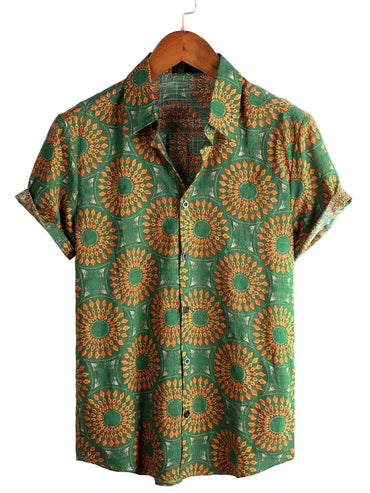
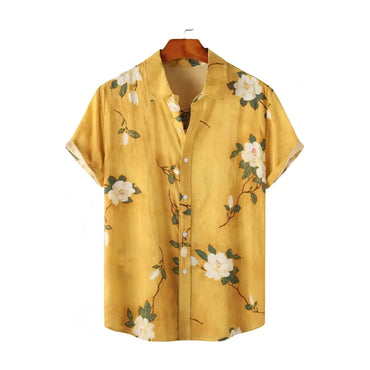
Color and print choices in 2026 lean toward subtle, painterly florals and tonal palettes rather than loud, clashing patterns. A single statement print, like a bold tropical button-up from Danflashes, works best when paired with solid neutrals. That combination lets the print lead without overwhelming the overall look.

Layering solves the air conditioning problem that catches most tropical travelers off guard. A lightweight cardigan or oversized wrap takes up almost no space and handles the 65°F interiors of restaurants and airport terminals without requiring a heavy jacket. Pack layers that fold flat and weigh under half a pound.

  • Choose sandals with arch support and a thick sole, not thin flip-flops
  • Bring a wide-brimmed hat for beach and outdoor sightseeing days
  • Pack one lightweight layer for indoor air conditioning
  • Stick to one bold print per outfit; pair it with solids
  • Use a crossbody bag in a water-resistant fabric for beach towns

How does tropical fashion adapt to different activities?

The beach, the city, a jungle hike, and an upscale dinner each demand a different approach. The capsule wardrobe strategy works because the same pieces shift roles depending on how you style them.

For active days, performance fabrics take over. A UPF 50+ long-sleeve sun shirt paired with moisture-wicking shorts handles hiking, kayaking, and snorkeling without sacrificing protection. Carry 3–4 swimsuits in rotation so one is always dry and ready. Rotating swimwear extends the life of each suit and keeps you comfortable through back-to-back water activities.

City and resort days call for lightweight dresses, linen separates, and breathable button-ups. A midi dress in TENCEL transitions from a morning market visit to an afternoon at a rooftop bar with nothing more than a sandal swap and a different bag. The tropical button-up shirt is the male equivalent: pair it with linen trousers for dinner or shorts for a beach walk.

Evening wear in the tropics rarely requires formal clothing. Lightweight luxury pieces made from wrinkle-resistant European fabrics transition from daytime to evening without a full outfit change. A silk-blend blouse or a well-cut linen shirt reads as dressed up in a resort context, even without a blazer.

Transit days deserve their own strategy. Wear a breathable base outfit on the plane: lightweight leggings and a soft t-shirt, layered with a wrap instead of a heavy jacket. This approach keeps you comfortable in a cold cabin and means you arrive climate-ready, with your best pieces still fresh in your bag.

Key Takeaways

Tropical travel fashion succeeds when fabric choice, capsule wardrobe planning, and activity-specific styling work together as a single system.

Point Details
Fabric is the foundation Choose linen, TENCEL, cotton voile, or merino wool; avoid denim and heavy synthetics.
Capsule wardrobe wins A 10–12 piece wardrobe in 2–3 colors creates 20+ outfits and eliminates overpacking.
Accessories extend range A wide-brimmed hat, supportive sandals, and a sarong cover sun, comfort, and versatility.
Layering solves AC A lightweight cardigan or wrap handles cold interiors without adding bulk to your bag.
Plan before you pack Curate your wardrobe against your itinerary to avoid expensive, ill-fitting destination buys.

What I’ve learned from packing for the tropics

Most travelers pack for how they want to feel on vacation, not for how the climate actually behaves. I’ve watched people arrive in Bali or Tulum with suitcases full of dark denim and heavy knits, then spend the first two days miserable and sweating before panic-buying cheap resort wear at a markup.

The shift that changes everything is treating fabric as the primary decision, not the afterthought. Once you commit to linen, TENCEL, and lightweight cotton as your base materials, every other choice gets easier. The silhouette, the color, the print: all of it works better when the fabric is right.

I also think travelers underestimate how much a single bold print does for a wardrobe. One statement shirt, like the kind Danflashes makes in cotton and bamboo hemp, carries an entire outfit. You do not need five printed pieces. You need one great one and the solids to balance it.

The other lesson I keep coming back to: pack your layers last and your statement pieces first. If something does not earn its place in the bag by working with at least three other items, it stays home. That discipline is what separates a bag you can actually carry from one that breaks your back at the airport.

— Dan

Tropical style starts with the right shirt

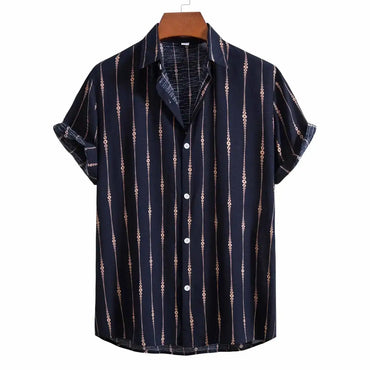
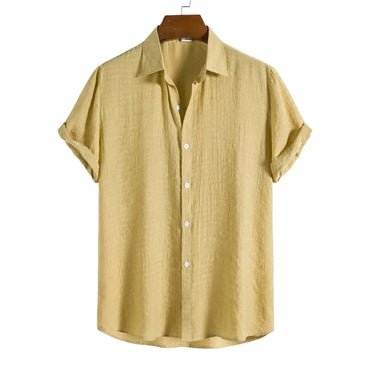
Building a strong island getaway wardrobe starts with one piece that sets the tone for everything else. Danflashes designs vibrant Hawaiian and beach shirts in cotton and sustainable bamboo hemp, fabrics that breathe in the heat and hold their color through salt water and sun.

https://danflashes.us

Every Danflashes shirt is built to anchor a capsule wardrobe: bold enough to lead an outfit, versatile enough to pair with linen trousers for dinner or swim shorts for the beach. The tropical wardrobe essentials blog covers packing strategies, fabric picks, and styling ideas to help you travel lighter and look better. Shop the full collection at Danflashes and take advantage of the Buy 3 Get 1 Free offer before your next trip.

FAQ

What is tropical travel fashion?

Tropical travel fashion, also called resort wear, is a style built on lightweight, breathable fabrics and relaxed yet polished silhouettes suited for warm, humid climates. It prioritizes comfort and versatility across beach, city, and dining settings.

What fabrics work best for tropical travel?

Linen, TENCEL, cotton voile, and lightweight merino wool are the top choices for tropical travel. They breathe well, dry fast, and manage moisture better than heavy cotton or synthetic blends.

How many outfits do I need for a tropical trip?

A 10–12 piece capsule wardrobe built around 2–3 complementary colors creates over 20 outfit combinations. That covers a two-week trip without overpacking.

What shoes should I wear in tropical weather?

Thick-soled sandals or platform sandals with molded footbeds are the best choice. Thin flat sandals lack the arch support needed for swollen feet and uneven terrain common in tropical destinations.

How do I dress for both the beach and dinner on a tropical trip?

Choose pieces that shift with accessories: a linen midi dress works at the beach with a sarong and flat sandals, then reads as dinner-ready with a cropped jacket and wedges. One versatile base piece, two different looks.

Back to blog

Leave a comment

Please note, comments need to be approved before they are published.