

For most Hawaiian and beach shirts, bamboo-hemp blends beat rayon-style fabrics on the three things that matter most: comfort, credible sustainability, and everyday durability. Rayon drapes beautifully and takes color well, but it loses strength when wet and demands more careful laundering. A bamboo-hemp blend, like the ones certain brands build shirts from, gives you that same soft, breathable hand with sturdier seams and a shorter path to genuine eco credentials.
TL;DR:
- Bamboo-hemp blends are generally more durable and resistant to wear and moisture than rayon, especially over multiple washes.
- The environmental benefits of bamboo versus rayon depend heavily on processing; mechanically processed hemp and lyocell are more eco-friendly than standard chemical viscose.
- Fabric weight and blend ratio significantly influence feel: heavier blends (200+ GSM) offer more structure and detailed prints, while lighter ones (160-190 GSM) are more breathable.
- Proper care, such as cold water washing and low heat drying, can extend the lifespan of bamboo-hemp shirts, which are built for long-term wear.
- Trustworthy sustainability claims should specify fiber types, process methods like lyocell or FSC certification, and transparency about manufacturing to ensure authenticity.
Table of Contents
- Bamboo-Hemp vs Rayon Shirts: A Quick Comparison
- What Does Bamboo vs Rayon Actually Feel Like on Your Skin?
- Is Bamboo Really More Sustainable Than Rayon?
- How Long Do These Shirts Actually Last?
- How Do You Choose the Right Fabric for Your Priorities?
- Can Bamboo or Rayon Shirts Cause Skin Irritation?
- What Do Bamboo-Hemp and Rayon Shirts Actually Cost?
- Beyond the Farm: Where Environmental Impact Really Adds Up
- Which Shirts Work Best for Which Occasions?
- Author Perspective: Why Danflashes Leans on Bamboo-Hemp Blends
- Ready to Try a Bamboo-Hemp Shirt for Yourself?
- Sources
- FAQ
Bamboo-Hemp vs Rayon Shirts: A Quick Comparison
Before you scroll through another product page, here’s what separates the two fabric families at a glance.
Bamboo-hemp blends:
- Soft hand with a natural texture that lands somewhere between cotton and silk
- Sustainability depends on processing route (mechanical or closed-loop lyocell beats standard chemical processing)
- Stronger seams and better abrasion resistance, even after repeated wear
- Machine washable, cold water preferred, holds up well over time
Rayon-style fabrics:
- Silky, fluid drape that photographs well and moves nicely in a breeze
- Standard viscose processing is chemically intensive unless labeled closed-loop
- Loses a significant portion of its strength when wet, so handle wet fabric gently
- Often needs handwashing or a delicate cycle, plus low heat drying
Check any listing for blend percentage, fabric weight in grams per square meter (GSM), and whether it names a specific process like lyocell. Vague wording like “eco bamboo” with no process detail is worth a second look.
What Does Bamboo vs Rayon Actually Feel Like on Your Skin?
Hand and drape are where most buyers make their decision, and the two fabrics feel genuinely different once you’re wearing them on a hot afternoon. A bamboo-hemp blend has a slightly nubby, breathable texture. Bamboo fiber softens hemp’s naturally coarser feel, so you get a shirt that moves air well without feeling stiff against sweaty skin, a texture Hemp-Bamboo fabric is known for alongside its odor resistance and temperature regulation.
Rayon, by contrast, drapes almost like liquid. It clings less than you’d expect and swings loosely with your body, which is part of why it shows up so often in resort shirts built for movement. The tradeoff is durability: rayon-style Hawaiian shirt fabric performs well dry but weakens considerably once it’s wet, whether that’s sweat, pool water, or a spilled drink.
Blend ratio and fabric weight change everything. A hemp-bamboo blend with more hemp content will feel textured and structured; more bamboo pushes it toward silky and fluid. Product listings that specify GSM, knit versus woven construction, and exact blend percentages are giving you real information, not marketing fluff.
Pro Tip: If you can touch the fabric before buying, drape a sleeve over your forearm. A quality blend should fall smoothly without feeling papery or stiff at the seams. Stiff seams on a new shirt usually mean cheap construction, not a fabric problem.
Is Bamboo Really More Sustainable Than Rayon?
Not automatically, and this is where a lot of “eco” marketing falls apart under scrutiny. The fiber crop itself barely matters. What matters is how that crop gets turned into fabric.
Hemp and bamboo are both fast-growing plants that typically need less irrigation and fewer pesticides than conventional cotton. That’s the easy part. The harder part is processing, and this is where bamboo and rayon genuinely diverge even though bamboo pulp is sometimes the raw material for rayon. Mechanically processed hemp uses comparatively few chemicals and even improves soil health during cultivation, while standard viscose processing, the chemical route often used to turn bamboo pulp into rayon, is chemically intensive by comparison, according to a comparative analysis of bamboo and hemp processing.
There’s a cleaner alternative: closed-loop lyocell processing. It recycles the solvents used to break down plant fiber instead of releasing them, which meaningfully cuts chemical exposure compared to traditional viscose routes. If a shirt mentions lyocell by name, that’s a real signal, not a buzzword.
Here’s your credibility checklist before you trust a “sustainable” label:
- Does the listing state an exact fiber percentage, not just “bamboo blend”?
- Does it name a certification like Oeko-Tex or FSC, or reference a specific mill?
- Does it mention lyocell or closed-loop processing specifically?
- Is there any transparency about where the fabric was milled?
A label that just says “bamboo” with nothing else is a caution flag. Specific fiber names and mill transparency signal a brand that’s willing to show its work, which is worth more than any green leaf icon printed on a hangtag.
How Long Do These Shirts Actually Last?
Hemp content is the durability workhorse in any blend. It resists abrasion well and holds seams tightly, which matters if you’re the kind of guy who wears the same three shirts on every vacation for five years straight. Rayon-style fabrics, sold on their own or in low-hemp blends, tend to wear thinner over time and lose strength significantly when wet, which is part of why they’re better suited to occasional wear than daily rotation.
Care habits determine most of the difference between a shirt that lasts three seasons and one that lasts eight.
- Wash in cold water on a gentle cycle to protect both color and fiber strength.
- Skip the dryer’s high heat setting. Air dry or use low heat to prevent shrinkage.
- Iron printed shirts inside out, or use a low setting directly on plain fabric only.
- Avoid wringing wet fabric, since that’s when rayon-heavy blends are most vulnerable to stretching or tearing.
- Watch for early warning signs of poor construction: puckered seams, loose buttons, or fraying at the collar after the first few washes.
A well-made bamboo-hemp shirt should hold its shape and color through dozens of washes across multiple seasons. If a shirt starts thinning or fading after a handful of wears, the issue is almost always the build quality, not the fabric family itself.
How Do You Choose the Right Fabric for Your Priorities?
Start by ranking what you actually care about, because the “best” fabric changes depending on the answer. If comfort against sweaty skin is priority one, lean toward a bamboo-heavy blend. If you want sustainability claims you can actually verify, look for hemp’s mechanical processing or bamboo lyocell specifically named on the label. If durability across seasons matters more than anything, higher hemp content wins.
Run every listing through this checklist before buying:
- Blend percentage stated clearly, not just “eco fabric”
- GSM listed, with 160 to 190 GSM ideal for breezy summer wear and 200 to 240 GSM for sturdier, structured basics
- Knit versus woven construction noted, since knits breathe more and woven fabrics hold prints crisper
- Certifications or process names like Oeko-Tex or lyocell mentioned specifically
- Clear washing instructions rather than a vague “machine washable” tag
Pure bamboo-hemp suits guys who want maximum softness and eco transparency. A hemp-bamboo-cotton blend adds structure and predictability, which is useful if you want a shirt that holds its shape through a long travel day.
Pro Tip: Wash a new shirt once before judging it. Blends with lower-quality finishing sometimes stiffen or soften unexpectedly after the first cycle, and that first wash tells you more about long-term feel than the store tag does.
Can Bamboo or Rayon Shirts Cause Skin Irritation?
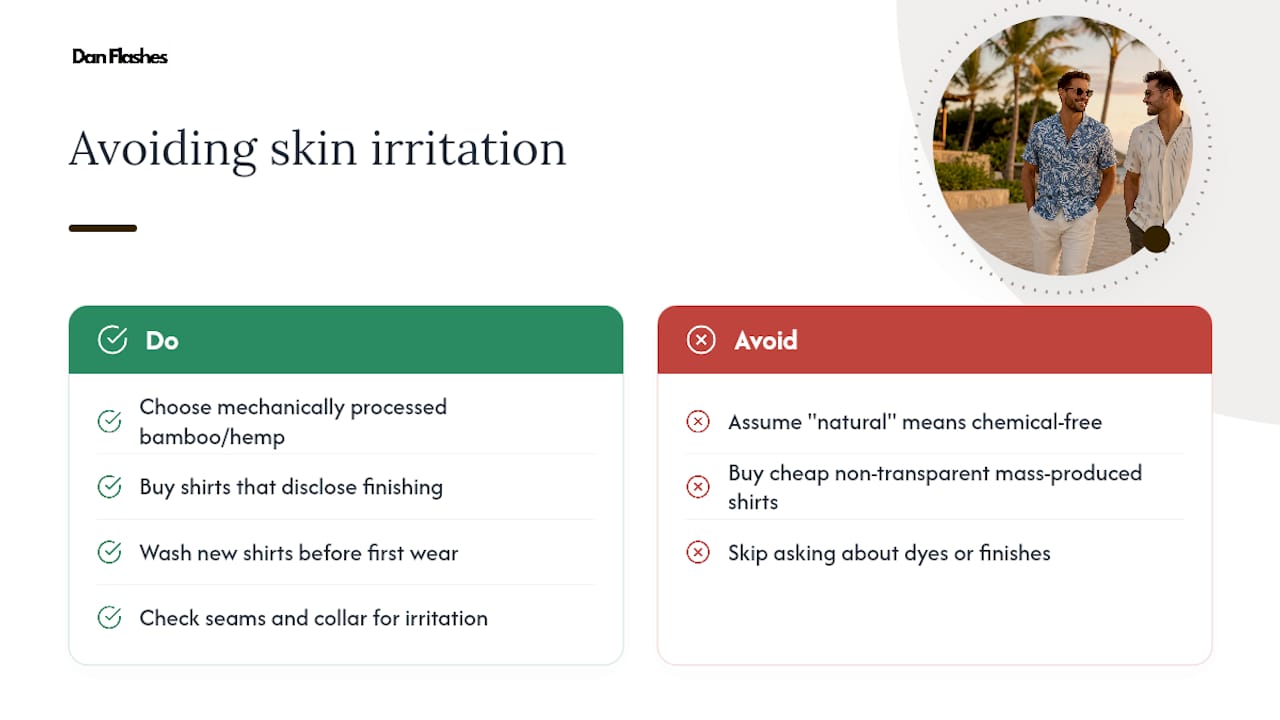
Natural, minimally processed fibers like mechanically processed hemp and bamboo tend to be gentler on sensitive skin than fabrics loaded with synthetic finishing chemicals or heavy dyes. Bamboo-hemp blends carry a reputation for being breathable and naturally resistant to the odor-causing bacteria that can aggravate irritated skin during hot, sweaty days at the beach.
Rayon itself is rarely the irritant. The bigger risk usually comes from the dyes, formaldehyde-based wrinkle-resistant treatments, or finishing chemicals applied during manufacturing, especially on cheaper mass-produced shirts that skip transparency about their finishing process. If you’ve reacted to synthetic blends before, it’s worth choosing shirts that disclose their finishing process rather than staying silent on it.
A few practical habits reduce risk regardless of fabric choice. Wash any new shirt before the first wear to remove residual processing chemicals and sizing agents. Watch for redness or itching specifically along seams and collar edges, where fabric sits tightest against skin and where finishing chemicals tend to concentrate. If you have known sensitivities to formaldehyde-based finishes or reactive dyes, ask a seller directly about their dyeing and finishing process rather than assuming a “natural fiber” label covers it.
Nobody wants an itchy collar three hours into a beach day. Fabrics that lean on mechanical processing over heavy chemical treatment are generally the safer bet for reactive skin, though individual sensitivity always varies.
What Do Bamboo-Hemp and Rayon Shirts Actually Cost?
Price differences between these fabric families come down less to the raw fiber and more to processing method, construction quality, and print complexity. A shirt using standard viscose rayon with a simple all-over print sits at the more affordable end of the resort shirt market. Bamboo-hemp blends, especially those using closed-loop lyocell processing or higher hemp content, typically cost more because that processing route is more involved and the resulting fabric holds up longer.
Complex patterns matter too. A shirt with a large-scale, precisely placed print, like a full-front floral design, costs more to produce than a repeating small-scale pattern, regardless of fabric. That’s true whether you’re buying rayon or a bamboo-hemp blend.
Here’s the practical way to think about value rather than sticker price alone: a rayon shirt might cost less upfront but need replacing sooner if it’s worn often and washed carelessly. A well-constructed bamboo-hemp shirt costs more per unit but tends to survive more seasons of wear, which changes the real cost per wear over time. Bundle offers and return guarantees also shift the math by lowering the risk of trying a fabric you haven’t worn before.
If you’re building a rotation of five or six shirts for a summer of vacations and weekend cookouts, mixing a couple of budget-friendly rayon-style pieces with one or two higher-durability bamboo-hemp shirts often gives you the best balance of style variety and long-term value.
Beyond the Farm: Where Environmental Impact Really Adds Up
Cultivation gets most of the attention in sustainability marketing, but processing is where the real environmental cost shows up. Turning raw plant fiber into wearable fabric requires water, energy, and often chemical solvents, and the scale of that impact depends entirely on which method a manufacturer chooses.
Standard viscose processing, the conventional route for turning bamboo or wood pulp into rayon, uses solvents that are typically released into wastewater unless a mill specifically treats and recycles them. Closed-loop lyocell processing changes that equation by recapturing and reusing those same solvents, which meaningfully cuts both water waste and chemical discharge compared to the open-loop process. Mechanical hemp processing sidesteps much of this problem entirely, since it relies more on physical breakdown of the fiber than chemical dissolution.
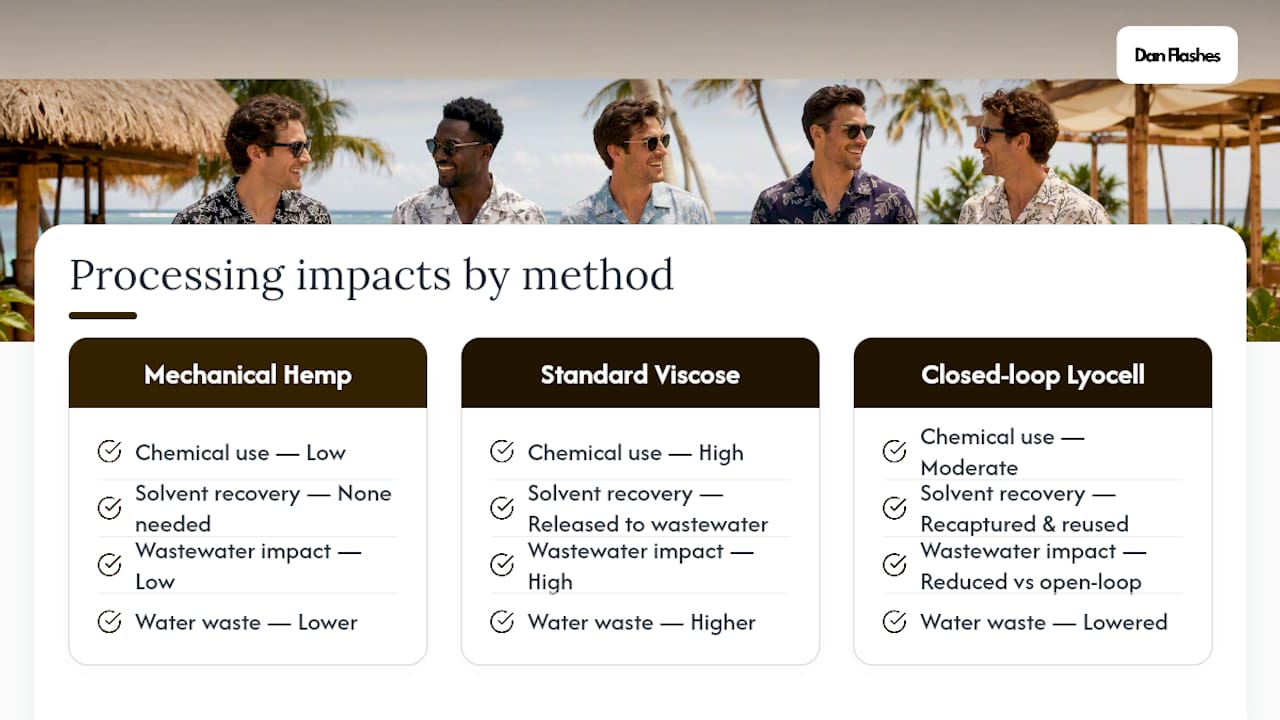
Energy use follows a similar pattern. Chemical-heavy processing generally demands more energy to heat, treat, and dry fiber at each stage than mechanical methods do. That’s part of why fiber origin alone tells you so little. A “bamboo shirt” processed through standard viscose methods can carry a heavier environmental footprint than a hemp shirt processed mechanically, even though bamboo often gets marketed as the greener plant.
This is exactly why process transparency matters more than the plant name on the tag. A mill willing to name its processing method and back it with a certification like Oeko-Tex has usually invested in cleaner methods. One that stays vague probably has a reason to.
Which Shirts Work Best for Which Occasions?
Rayon-style fabrics earn their reputation in one specific arena: bold, vivid prints with a fluid drape that catches a breeze. If you’re after a classic loud floral shirt for a wedding on the beach or a tropical-themed party, rayon’s drape and color saturation are hard to beat, which is part of why it’s remained a staple in resort shirt manufacturing for decades.
Bamboo-hemp blends earn their keep in different situations: daily beach wear, travel shirts you’ll wear repeatedly across a trip, and pieces you want to survive years of summers rather than one season. The added durability and breathability make them better suited to shirts you’ll actually live in, not just photograph in.
Pattern complexity also steers the choice. Large, intricate designs like detailed floral layouts or scenic prints tend to show up crisper on a slightly heavier, more structured weave, the kind you get from a hemp-forward blend at 200 or more GSM. Simpler, breezier patterns work well on lighter fabrics closer to 160 to 190 GSM regardless of fiber source. Button-up styles built for versatility, worn open over a swimsuit or buttoned for dinner, tend to favor the added structure a hemp-bamboo blend provides, since that structure holds a collar’s shape better through a full day of wear.
Author Perspective: Why Danflashes Leans on Bamboo-Hemp Blends
Building shirts around bamboo-hemp blends comes down to a simple tension every apparel brand faces: softness and print fidelity usually pull in opposite directions from durability and eco credibility. Bamboo-hemp lets Danflashes hold onto both sides of that tradeoff instead of picking one. Bundle pricing like Buy 3 Get 1 Free and a 30-day money-back guarantee exist because fabric feel is personal. What reads as “soft” to one guy feels different to another, and no amount of product copy replaces actually wearing the shirt. That’s the reasoning behind giving buyers room to test a fabric rather than asking them to trust a swatch photo.
- Dan Flashes
Ready to Try a Bamboo-Hemp Shirt for Yourself?
Reading about fabric blends only gets you so far. At some point you need a shirt on your back at a beach bar to know if bamboo-hemp actually delivers the comfort and durability this article describes. Some brands build resort shirts around that blend, so options reflect the fabric priorities covered here rather than a generic viscose print job.
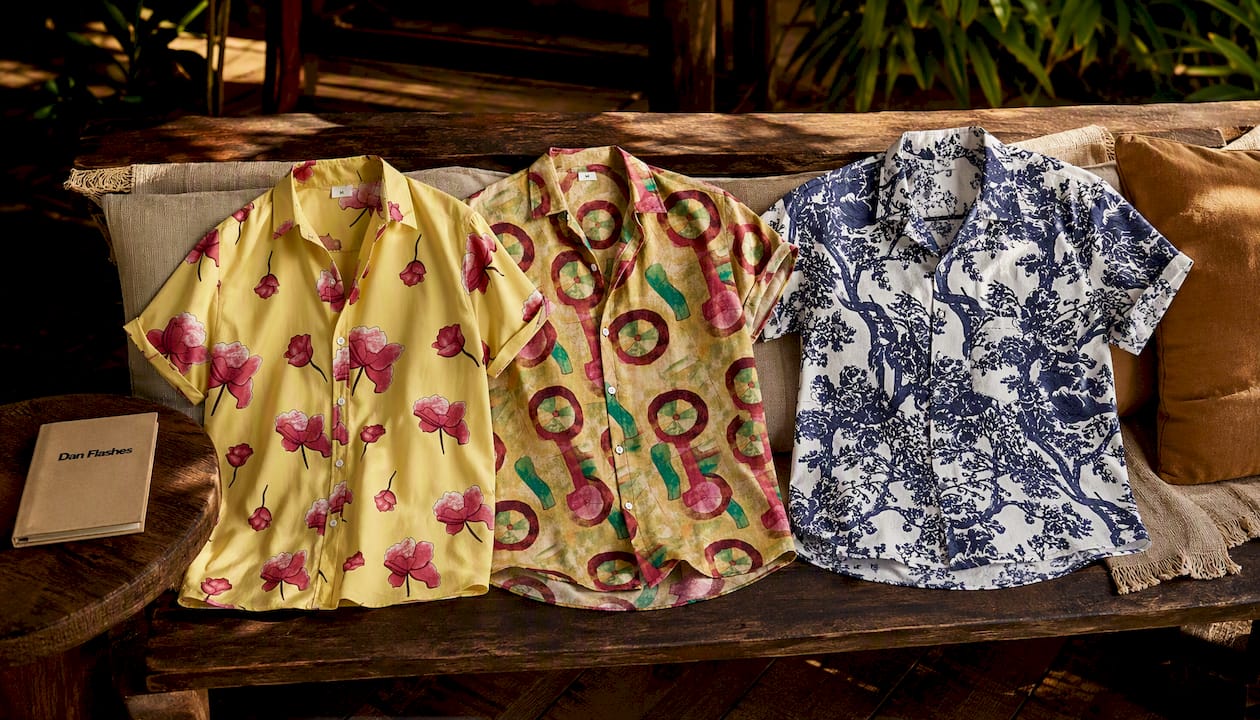
The Premium Pattern Button-Up Shirt is built for guys who want structure and print detail together, ideal if you’re after a shirt that transitions from beach to dinner without losing its shape. The Floral Resort Shirt leans into drape and pattern fidelity, giving you that classic Hawaiian silhouette with a fabric that won’t weaken the first time it gets wet. The Tree Print Shirt offers a midweight, everyday option for guys who want one shirt they can wear constantly without babying it.
Testing a bamboo-hemp blend against whatever’s currently in your closet costs you nothing but the fitting. Browse the full lineup at Danflashes and pick the pattern that matches your next trip.
Sources
- Bamboo vs Hemp: Which eco-friendly fiber wins for sustainable textiles?
- Hemp Bamboo Shirt for Sustainable Apparel Brands
- What Fabric Are Hawaiian Shirts Made Of? An Expert’s Guide - Fexwear
FAQ
Is Bamboo-Hemp Better Than Rayon for Hawaiian Shirts?
For most buyers, yes. Bamboo-hemp blends offer comparable softness and drape to rayon-style fabrics while holding up better to abrasion and wet conditions, which matters for beach wear.
Does Rayon Shrink or Weaken When Washed?
Rayon-style fabrics lose noticeable strength when wet and generally need cold water, gentle cycles, and low heat drying to avoid shrinkage or stretching over time.
What GSM Is Best for a Summer Resort Shirt?
Look for 160 to 190 GSM for a breezy, lightweight feel suited to hot weather, and 200 to 240 GSM if you want more structure and durability in the fabric.
How Do I Know a Bamboo Fabric Label Is Trustworthy?
Check for a specific fiber name like bamboo lyocell, a certification such as Oeko-Tex or FSC, and clear blend percentages rather than a vague “eco bamboo” claim with no process detail.
Are Danflashes Shirts Made From Bamboo-Hemp or Rayon?
Danflashes builds its resort shirts around bamboo-hemp blends specifically for the comfort and durability balance covered in this guide, backed by a 30-day money-back guarantee.


