

The fastest way to prevent sweat stains on shirts is to stack four habits: wear moisture-managing fabric or a barrier undershirt, apply antiperspirant at night so it dries before you sweat, rinse fresh sweat marks in cool water right away, and never toss a stained shirt in the dryer. Enzyme detergents and oxygen-based bleach handle what slips through. Some beach shirt brands build their products around fabrics that make this routine easier to keep.
TL;DR:
- Using moisture-wicking fabrics or bamboo shirts can significantly reduce sweat residue and hide early stains better than heavy cotton or solid colors.
- Applying antiperspirant at night and rinsing off visible residue in the morning minimizes aluminum transfer and yellow staining over time.
- Treating fresh stains promptly with vinegar or enzyme prewash prevents them from setting and becoming permanent, especially before drying.
- Avoiding high heat from dryers or irons prevents chemical bonds from forming that turn stains into lifelong bonds in fabric fibers.
- Choosing patterned or looser-fitting shirts, and pairing them with lightweight or sweat-proof underlayers, can improve stain concealment and prolong shirt life.
Table of Contents
- Why Sweat Stains Form and What Makes Them Permanent
- Clothing Choices and Underlayers That Block or Wick Sweat
- Antiperspirant, Deodorant, and Skin-Prep Rules That Reduce Transfer
- Protecting and Treating Shirts: From Fresh Stains to Full Laundering
- Danflashes’ Advice for Caring for Patterned and Sustainable Shirts
- How Your Environment and Habits Affect Sweat and Staining
- Do Preventive Sprays and Fabric Treatments Actually Help?
- Long-Term Habits That Keep Shirts Sweat-Stain Free
- Danflashes’ Take on What Actually Stops Sweat Stains
- Shirts Built to Make This Routine Easier
- Sources
- FAQ
Why Sweat Stains Form and What Makes Them Permanent
Yellow underarm stains and white salt rings come from two different reactions. Yellowing happens when aluminum in antiperspirant reacts with sweat proteins and skin oils, locking a stain into the fibers. The chalky white marks you see on darker shirts are usually mineral and oil residue left behind after sweat evaporates, not the sweat itself.
Fabric plays a bigger role than most people realize:
- Absorbent, densely woven fibers like heavy cotton hold onto residue longer than looser or synthetic weaves.
- Heat accelerates the chemical bond between protein and fabric, which is why a hot iron or dryer cycle can turn a treatable stain into a permanent one.
- Repeated sweating without full stain removal creates a buildup effect. Each cycle of sweat, partial wash, and detergent residue leaves a little more behind, and the yellowing deepens over months even if no single stain looked severe at the time.
Clothing Choices and Underlayers That Block or Wick Sweat
Fabric is your first line of defense, and it matters more than most people budget for. Moisture-wicking synthetics pull sweat away from skin and spread it across a wider surface to evaporate faster, which limits how much residue settles in one spot. Bamboo fabric behaves similarly. It’s naturally breathable and tends to dry faster than heavy cotton, which is one reason some brands use it in their shirt lines. Standard cotton looks great and feels soft, but it holds moisture longer, and tight-weave linen can trap heat against the skin even though it looks breathable on the rack.
Underlayers add a second buffer:
- A basic cotton undershirt absorbs some sweat before it reaches your outer shirt, but it saturates quickly in hot weather.
- A sweat-proof undershirt with stitched-in underarm pads offers steadier, longer-lasting protection and skips the daily cost of replacing pads.
- Disposable adhesive pads work in a pinch for one event but can shift, peel, or leave their own residue on delicate fabric.
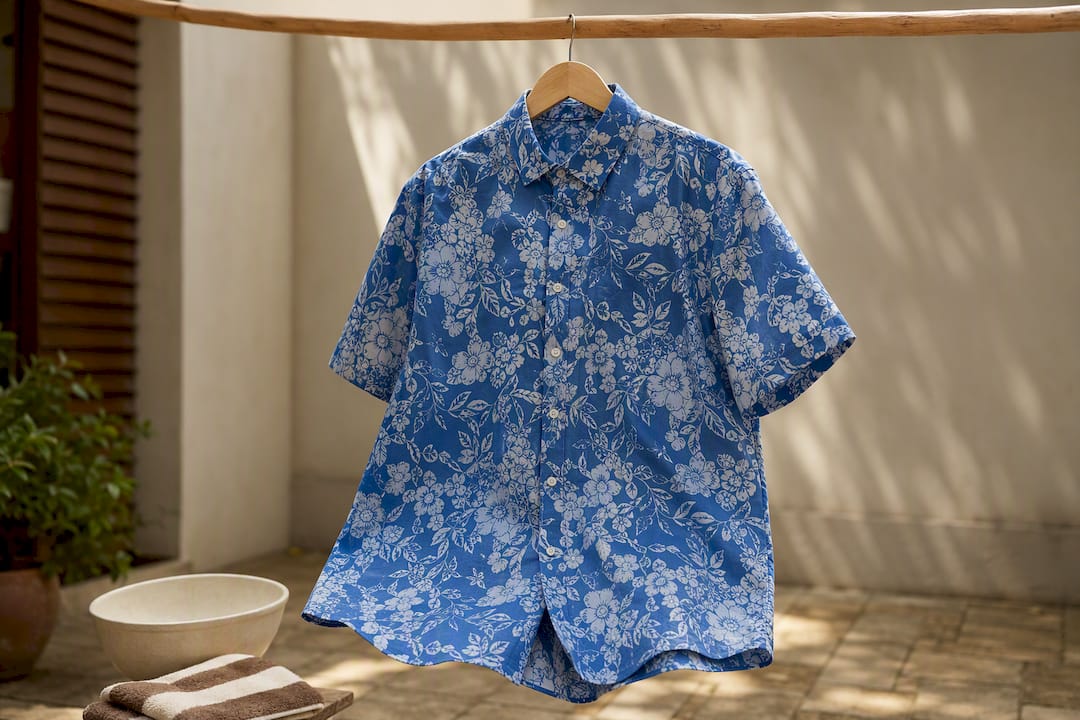
Color and pattern choices matter more than people expect. Bold prints and multi-tone patterns hide moisture rings far better than solid pastels or white, which is part of why a busy tropical print reads as more forgiving for hot days than a plain button-down. Fit counts too: a slightly looser cut lets air circulate and reduces the direct skin-to-fabric contact that transfers oils, while a tight fit presses the shirt against sweat glands all day.
This topic is covered in more detail in a breakdown of moisture-wicking fabrics and how they perform against traditional cotton.
Pro Tip: If you’re deciding between a heavier print shirt and a lighter solid for a hot day, the print will almost always hide sweat better. Save the solid colors for air-conditioned settings.
Antiperspirant, Deodorant, and Skin-Prep Rules That Reduce Transfer
Antiperspirant and deodorant are not the same product, and mixing them up is a common reason stains keep coming back. Deodorant masks odor but does nothing to reduce sweat volume. Antiperspirant contains aluminum compounds that temporarily plug sweat ducts, and that same aluminum is what reacts with sweat protein to cause yellowing over time.
A simple sequence cuts down on residue transfer:
- Apply antiperspirant at night on clean, fully dry skin. Skin absorbs the active ingredients better overnight, and applying it before bed reduces the amount of surface residue sitting on your skin the next morning.
- Rinse off any visible white residue when you shower in the morning.
- Let the product fully dry before getting dressed. Putting on a shirt over damp antiperspirant is one of the fastest ways to transfer aluminum directly onto fabric.
- On lower-sweat days, rotate in an aluminum-free deodorant to cut your shirt’s total aluminum exposure over time.
Avoid heavy application right after shaving. Irritated skin absorbs product unevenly and can react poorly, and over-applying antiperspirant never buys you more protection, just more residue sitting on the surface.
Protecting and Treating Shirts: From Fresh Stains to Full Laundering
Speed matters more than any product you own. The moment you notice a sweat mark, blot it with cool water rather than rubbing, which just pushes residue deeper into the weave. If a wash isn’t possible right away, let the shirt air-dry completely rather than balling it up in a gym bag or hamper. Damp, sweaty clothes left sitting spread bacteria and odor and make the eventual stain harder to lift.
For stains that have already set, a few tested pretreatments work well:
- Vinegar soak: mix white vinegar and water in a 1:1 ratio and soak the stained area for 30 to 60 minutes before washing.
- Baking soda and hydrogen peroxide paste: combine equal parts and apply directly to the stain for 30 to 60 minutes. Test it on an inside seam first, since concentrated peroxide can lighten certain dyes.
- Enzyme prewash: enzyme-based products break down the sweat proteins themselves, which makes them more effective on set-in protein stains than plain detergent alone.
For the wash itself, oxygen-based bleach is the safer whitening agent. Chlorine bleach can actually intensify yellowing when it interacts with the aluminum and protein already in the fabric.
One rule matters more than any product: never put a stained shirt in the dryer. Dryer heat permanently bonds protein stains to fibers, turning a treatable mark into a lifelong one. Air-dry instead, and check the stain in daylight before deciding it’s gone. For white cottons, mild sun exposure can help fade lingering yellow tint naturally.
Delicate or heavily printed shirts with stubborn set-in stains are worth taking to a professional cleaner rather than risking a homemade treatment that could fade the pattern.
Danflashes’ Advice for Caring for Patterned and Sustainable Shirts
Prints and vibrant colors need gentler handling than plain whites. Danflashes recommends treating salt and sweat stains within 24 hours on patterned shirts, since dyes and pigments are more vulnerable to spreading or fading the longer a stain sits untreated.
Bamboo shirts don’t need washing after every single wear. Danflashes suggests washing bamboo pieces every two to three wears rather than after each use, since the fabric resists odor naturally and over-washing just wears down the fibers faster. When it comes to drying, air-drying protects printed designs far better than tumble-drying, which fades color and can bake in a stain you thought you’d already treated. For high-sweat days at the beach or a hot outdoor event, pairing a patterned shirt with a lightweight undershirt keeps the print looking newer longer.
How Your Environment and Habits Affect Sweat and Staining
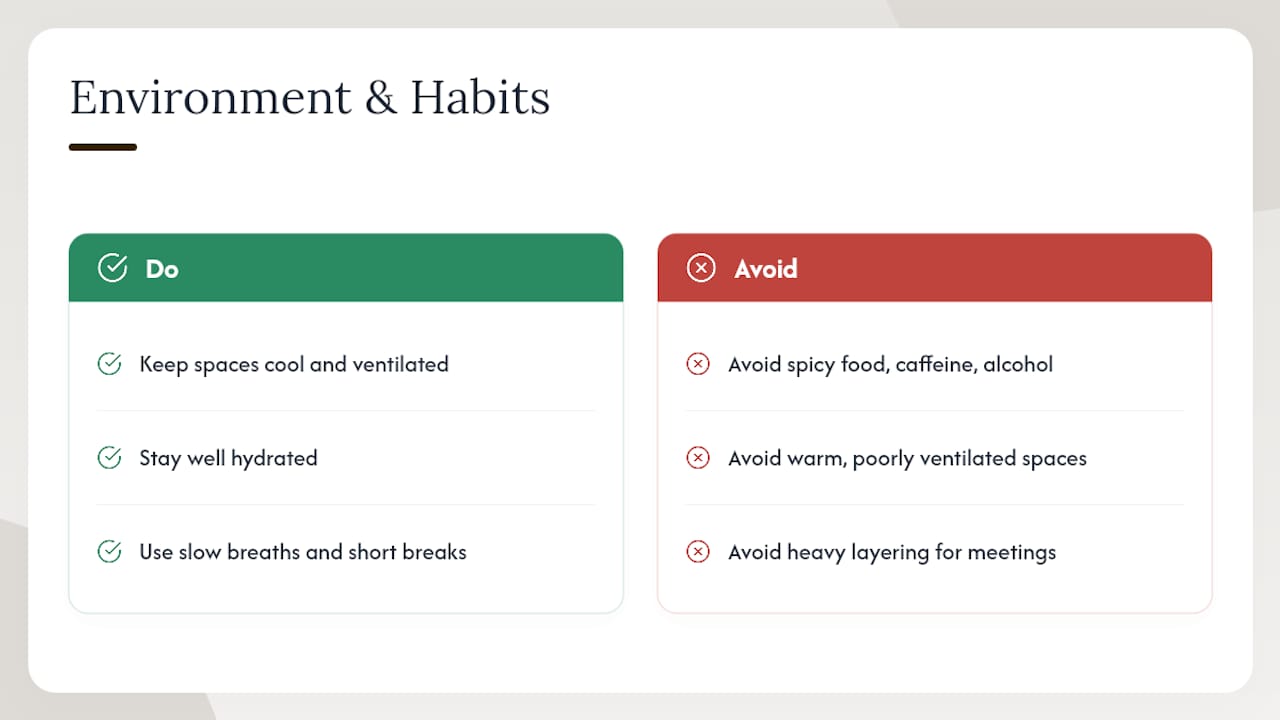
Sweat volume is not just a fabric problem. Heat and humidity are the obvious triggers, but indoor climate control matters more than people think. A warm, poorly ventilated office or car can produce as much underarm sweat as a walk outside in summer, especially if you’re layered up for a meeting.
Diet plays a quieter role. Spicy food, caffeine, and alcohol all stimulate the nervous system in ways that increase sweat gland activity, so a coffee-heavy morning before a warm commute is a near-guaranteed sweat spike. Cutting back on any of these on a day you know you’ll be in a patterned shirt or a tighter fit is a low-effort way to reduce staining risk.
Stress deserves its own mention. Emotional sweating comes from a different set of glands than heat-related sweating, and it tends to produce a more concentrated, protein-rich sweat that stains faster. A stressful presentation or interview can leave heavier marks than an hour of physical activity in the same shirt. Managing stress through basic tools like slower breathing or short breaks won’t eliminate sweat, but it takes the edge off the spikes that cause the worst staining.
Keeping your space cooler, staying hydrated, and being mindful of stimulant intake before a warm day all add up. None of these replace the fabric and antiperspirant habits already covered, but they reduce how hard those habits have to work.
Do Preventive Sprays and Fabric Treatments Actually Help?
Fabric protectant sprays marketed as stain-resistant or moisture-repellent work by adding a light coating that helps liquid bead up and roll off rather than soak into the fibers. On a beach shirt, that kind of treatment can buy you a few extra minutes before sweat penetrates the weave, which matters most for people who sweat heavily early in the day and need their shirt to look clean through an afternoon event.
These sprays are not a substitute for the fundamentals. A treated cotton shirt with a sweat-heavy wearer and no antiperspirant routine will still stain, just slightly slower. Treatments also wear off with washing, so reapplication after a handful of washes is normal if you want to keep the effect going.
Underarm shields sold as adhesive inserts serve a similar preventive purpose from the inside. They sit directly against the fabric rather than the skin, catching sweat before it reaches the shirt itself. They’re useful for a single big event like a wedding or an outdoor reception, but daily use gets expensive and some adhesives leave their own residue on lighter fabrics.
If you’re choosing between spending money on a spray treatment or a barrier undershirt, the undershirt route tends to hold up better over repeated wears and doesn’t require reapplication. Save the sprays for shirts you can’t easily layer under, like a fitted linen shirt worn on its own.
Long-Term Habits That Keep Shirts Sweat-Stain Free
A shirt’s resistance to staining fades over time if the same small mistakes repeat wash after wash. Washing too infrequently lets residue compound, but washing every single item after one light wear also isn’t necessary, and just adds wear-and-tear that weakens fibers faster.
A better rhythm: wash a shirt as soon as you notice any visible sweat mark or after any high-exertion day, but let lightly worn pieces go two or three wears if there’s no odor or visible residue, which matches Danflashes’ guidance for bamboo fabrics specifically. Rotate your shirts rather than wearing the same three favorites on repeat. Giving fabric time to fully rest and dry between wears reduces the odor-causing bacteria buildup that makes future stains harder to lift.
Storage matters more than people assume. Hanging shirts loosely, rather than folding them tightly in a drawer, helps residual moisture evaporate and prevents musty odors from developing in fabric folds. Keep shirts out of direct sunlight in storage, since UV exposure over months can fade prints and weaken fibers, undoing some of the moisture-management benefits built into the fabric.
Check pretreatment products periodically too. A vinegar soak or enzyme prewash used consistently on high-sweat garments does more for long-term fabric health than an occasional deep clean after a stain has already set. Small, consistent habits beat sporadic intensive treatments almost every time.
Danflashes’ Take on What Actually Stops Sweat Stains
Most advice on this topic treats sweat stains as a laundry problem to solve after the fact. That’s backwards. By the time you’re scrubbing a yellowed collar, you’ve already lost the easiest opportunity to prevent it, which was the fabric and antiperspirant decisions made that morning.
The overrated fix is buying a stronger stain remover. The underrated fix is timing. Antiperspirant applied at night, a shirt made from a fabric that doesn’t trap moisture against skin, and a same-day rinse when sweat happens will prevent more stains than any pretreatment paste ever will. Treatment is damage control, not prevention.
If there’s one thing we’d tell readers to prioritize first, it’s fabric. You can control antiperspirant timing and washing habits, but a heavy cotton weave in the wrong climate is fighting you before you’ve broken a sweat. Choosing a shirt built to move moisture away from skin, in a pattern that hides what does get through, removes half the problem before it starts.
- Dan Flashes
Shirts Built to Make This Routine Easier
Some fabrics simply give you less to fight. Some bamboo and cotton blends move moisture away from skin faster than heavy traditional cotton, and bold prints across collections can hide the early stages of a sweat mark far better than a plain white button-down ever could. That’s not a claim that any shirt is stain-proof. It’s a fact about how fabric choice and pattern work together to buy you time.

If you want to put the fabric side of this routine into practice, the beach shirts collection is a good place to start browsing, with prints designed to stay sharp through hot afternoons. The Tropical Hawaiian Pattern Shirt and the Classic Beach Shirt are both solid entry points if you’re replacing a wardrobe staple that’s shown its age around the collar and underarms.
Keep up the care habits covered above. No fabric replaces a good laundry routine. And some brands back orders with a 30-day money-back guarantee, so trying a new fabric or fit carries little risk.
Sources
The cleaning steps in this guide draw on tested advice from appliance and cleaning experts. Maytag’s guidance backs the vinegar and baking-soda-and-peroxide pretreatments and the case against chlorine bleach. Good Housekeeping supports the enzyme-detergent recommendation, and HGTV backs the dryer-heat warning and immediate-care steps.
- How to remove sweat stains | Maytag
- How to remove sweat stains from white shirts, experts say | Good Housekeeping
- How to get rid of sweat stains | HGTV
- How to remove sweat stains, according to experts | TODAY
FAQ
Why Are All My Shirts Getting Armpit Stains?
Your antiperspirant’s aluminum is likely reacting with sweat proteins on repeated wears, and if your shirts are heavier cotton, the fabric is holding onto that residue instead of letting it evaporate.
How Do I Prevent Yellow Armpit Stains?
Apply antiperspirant at night on dry skin, rinse residue off in the morning, and let it dry before dressing; this reduces how much aluminum transfers to the fabric in the first place.
Do Sweat-Proof Shirts Actually Work?
Moisture-wicking fabrics and shirts with sweat-proof underlayers genuinely reduce visible staining by pulling moisture away from skin faster than standard cotton, though no fabric makes you fully sweat-proof.
Why Do I Get Sweat Marks So Easily?
Heat, stress, caffeine, and tight or heavy fabric all increase how much you sweat and how visible it becomes; switching to a breathable fabric like bamboo and managing antiperspirant timing addresses most of the causes at once.
Can I Remove a Sweat Stain That’s Already Set In?
Often yes: soak the area in a 1:1 vinegar and water solution for 30 to 60 minutes or use an enzyme prewash, then wash normally, but avoid the dryer until you’ve confirmed the stain is fully gone.


