

Bamboo shirts generally smell less than cotton or polyester after a full day of wear, but they don’t outperform merino wool over multiple days. The reason isn’t some built-in “natural antibacterial” superpower marketers love to mention. It’s moisture management: bamboo fiber moves sweat away from your skin faster than cotton, which starves the bacteria that cause odor. The single most important thing you can do to protect that benefit is simple: skip the fabric softener and wash with a mild, fragrance-free detergent.
TL;DR:
- Bamboo fabrics have microscopic structures that pull moisture away from the skin, reducing bacterial growth and odor, especially after a few wears.
- The antibacterial effects of bamboo rely on processing methods, with actual performance fading after roughly 10 to 20 washes, depending on laundering practices.
- Proper care, including washing with mild detergent, avoiding softeners and high heat, and air-drying, is critical to maintaining bamboo shirt odor resistance.
- Bamboo shirts are best suited for short to moderate wear in warm weather or travel, while merino wool outperforms them for multi-day use or intense activity.
- Marketers often exaggerate bamboo’s antibacterial properties; realistic odor control depends on fabric quality, weave tightness, and proper laundering.
Table of Contents
- How Bamboo Fabric Actually Fights Shirt Odor
- Bamboo vs. Cotton, Polyester, and Merino for Odor Control
- When to Wash a Bamboo Shirt: Signs and Wear Counts
- How to Remove Odor and Restore Freshness
- Everyday Care Rules That Protect Odor Resistance
- What Dan Flashes Bamboo-Hemp Shirts Bring to the Table
- Who Should Actually Buy Bamboo Shirts
- Try Bamboo-Hemp Shirts Built for Real Wear
- Sources
How Bamboo Fabric Actually Fights Shirt Odor
Bamboo viscose and lyocell fibers have a microscopic structure full of tiny gaps and channels. That structure pulls moisture off your skin and spreads it across a wider surface area, so sweat evaporates faster instead of sitting there feeding bacteria. Less standing moisture means less bacterial growth, and less bacterial growth means less odor.
Here’s where the marketing gets ahead of the science. Raw bamboo plant material does contain a compound sometimes nicknamed “bamboo kun,” and some brands lean hard on that fact. But turning bamboo stalks into wearable fabric usually involves a viscose process that strips out most of that original plant chemistry. What ends up in your shirt is mostly regenerated cellulose, not a preserved antibacterial compound.
That said, it’s not pure marketing fiction. A 2023 study published in Textile & Leather Review found bamboo fabric samples produced inhibition zones against bacteria comparable to cotton treated with 3% zinc oxide, and that effect held up through roughly 10 wash cycles before fading by 20 washes. So performance is real, but it varies by processing method and degrades with laundering.
A few practical limits worth knowing:
- Processing quality varies a lot between manufacturers, so not every “bamboo” shirt performs the same.
- Tighter knits and weaves trap more moisture near skin than looser ones, undercutting the fiber’s natural advantage.
- Merino wool still wins for multi-day wear because its fiber chemistry actually breaks down odor compounds, not just moves moisture around.
Bamboo vs. Cotton, Polyester, and Merino for Odor Control
If you rank fabrics by realistic, everyday odor resistance, it looks roughly like this: merino wool leads, bamboo comes next, cotton trails behind, and polyester finishes last for anything beyond a light errand.
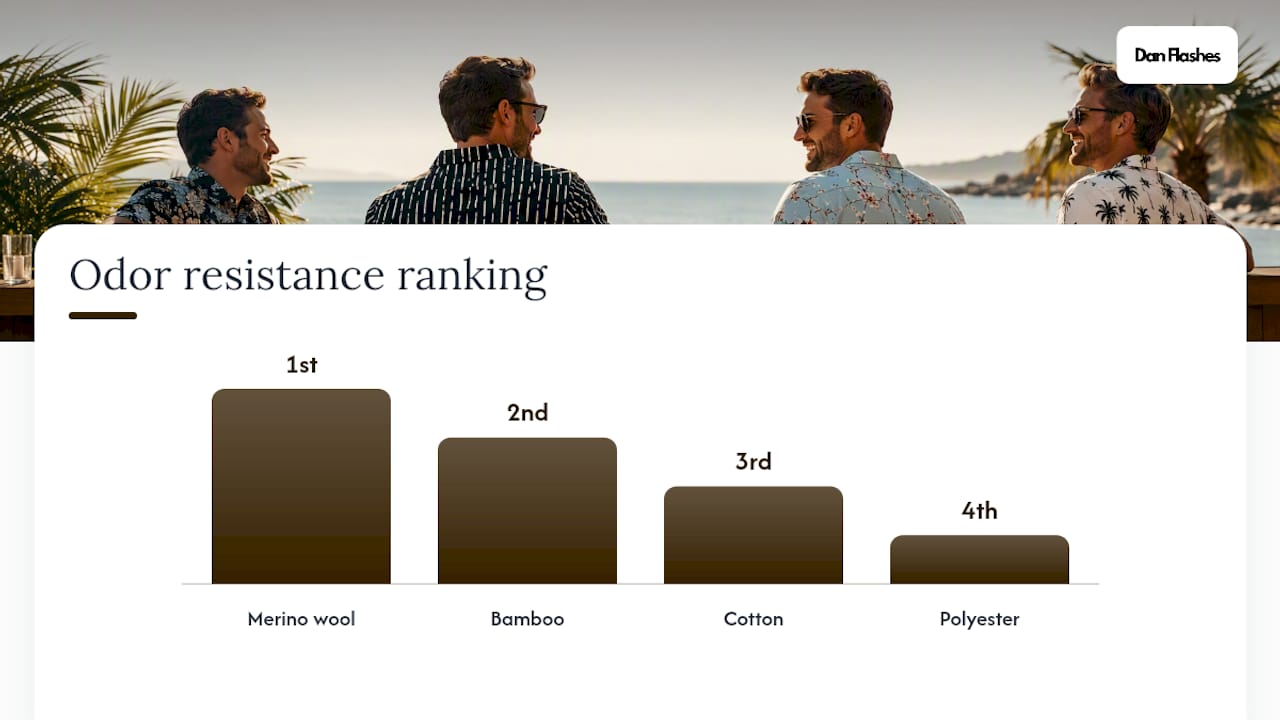
Polyester’s problem isn’t really about sweat volume. Lab coverage from NPR found that bacteria colonize polyester’s synthetic surface more readily than natural fibers, which is why synthetic workout shirts develop that “perma-stink” that survives repeated washing. Cotton absorbs moisture instead of moving it, so it holds onto sweat and starts smelling even after fairly short wear.
Match the fabric to what you’re actually doing:
- Daily wear and commuting: Bamboo shirts handle a normal workday well, especially in warm climates.
- Travel with limited laundry access: Bamboo gives you more wears between washes than cotton without polyester’s bacterial buildup problem.
- Heavy exercise or multi-day trips: Merino wool or a bamboo-merino blend beats standard bamboo alone.
- Casual, low-sweat situations: Cotton is fine, but expect to wash it sooner than a comparable bamboo shirt.
When to Wash a Bamboo Shirt: Signs and Wear Counts
Bamboo’s moisture-wicking edge lets you stretch the time between washes further than cotton, but “further” isn’t “indefinite.” Reviews from Countryfile and outdoor gear testers found bamboo shirts stayed fresh across several light-to-moderate wears, especially when aired out between uses.
- Wash immediately if you notice any lingering odor, oily collar or underarm stains, visible dirt, or dampness that hasn’t dried out after several hours.
- For light wear (office, errands, mild weather), two to three wears between washes is usually reasonable.
- For heavy sweat, workouts, or anything worn against skin all day, wash after every single wear.
- Between wears, hang the shirt somewhere with airflow rather than tossing it in a hamper or gym bag. That alone buys you extra wears before odor sets in.
How to Remove Odor and Restore Freshness
Start gentle, and only escalate if the smell survives round one. A cold wash with a mild, fragrance-free detergent and an extra rinse cycle solves most everyday odor problems, since it clears sweat and skin oils without stripping the fiber’s moisture-wicking surface.
If odor lingers after that:
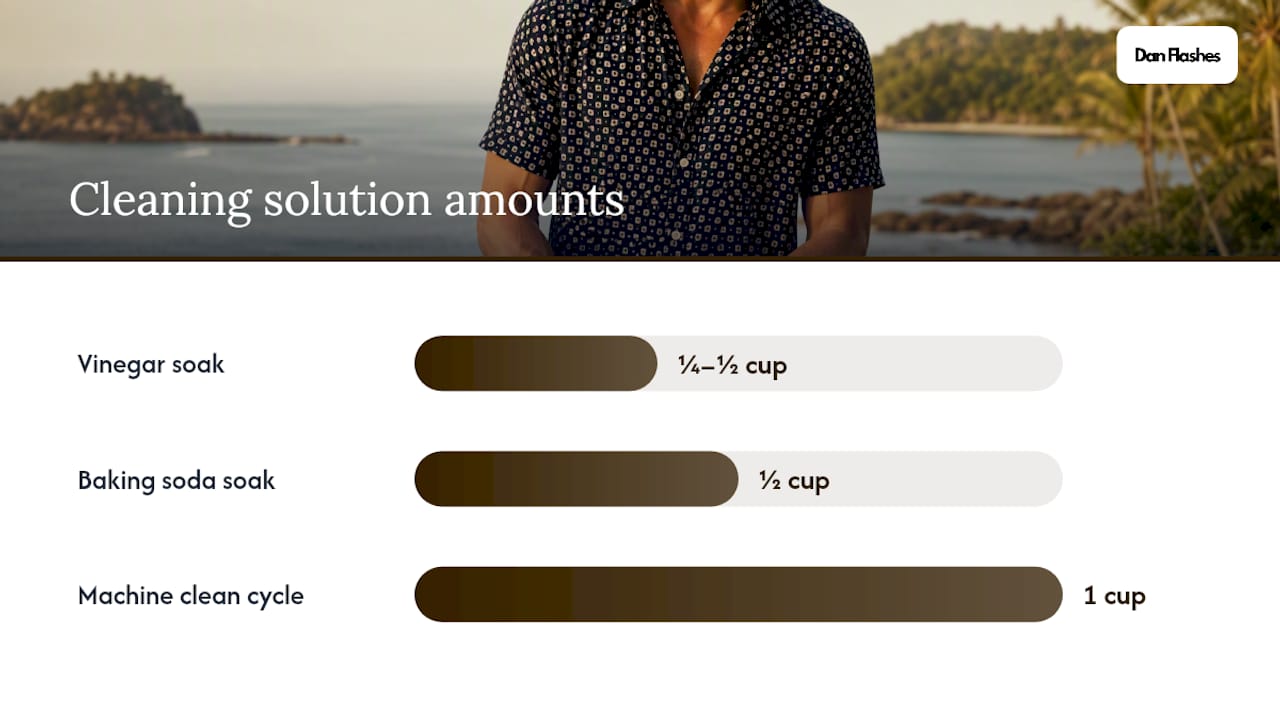
- Vinegar soak: Fill a basin with cool water, add a quarter to a half cup of white vinegar, and soak the shirt 30 to 60 minutes before washing normally. This loosens detergent and mineral buildup that traps smell.
- Baking soda soak: Half a cup of baking soda in a basin, soaked for one to four hours, works as a milder alternative that also neutralizes acidic odors.
- Stripping wash: For shirts that smell musty even right out of the wash, an occasional stripping wash with an enzyme-based detergent or a commercial laundry stripping product clears out the accumulated residue from softeners, hard water minerals, and old detergent.
Avoid bleach entirely. It breaks down cellulose fiber over time and can leave the fabric more prone to holding odor, not less. Dry on low heat or air-dry instead of high heat, since heat degrades the fiber’s micro-gap structure that gives bamboo its wicking advantage in the first place.
Pro Tip: Run an empty hot-water cycle with a cup of white vinegar through your washing machine every few months. Detergent and softener residue builds up inside the drum itself, and that residue transfers back onto every “clean” load you run afterward.
Everyday Care Rules That Protect Odor Resistance
Good bamboo shirt care isn’t complicated, it just runs against a few laundry habits people pick up from cotton.
Do this:
- Wash cold with a mild, fragrance-free detergent.
- Hang shirts to air out between wears instead of piling them in a hamper.
- Spot-treat stains right away rather than waiting for a full wash cycle.
Skip this:
- Fabric softener, which coats fibers with a waxy residue that blocks the micro-channels bamboo relies on for wicking.
- Heavily scented detergents, which leave similar buildup over repeated washes.
- High-heat drying, which breaks down fiber porosity over time.
- Leaving a sweaty shirt crumpled in a gym bag or hamper for hours, which gives bacteria a warm, damp environment to multiply in.
Residue buildup is the quiet killer of bamboo’s performance. Every softener cycle and every scented detergent load leaves a thin coating behind, and that coating adds up until moisture stops moving through the fabric the way it should. A 2023 textile study noted that even bamboo’s measurable antibacterial activity fades noticeably after repeated wash cycles, which is exactly why laundering habits matter more than the fabric label on the tag.
What Dan Flashes Bamboo-Hemp Shirts Bring to the Table
Danflashes builds several shirts from sustainable bamboo-hemp blends designed to move moisture and stay comfortable through a full day of wear. Our care guidance follows the same principles covered here: cold wash, skip the softener, air dry when you can. Every order carries a 30-day money-back guarantee, and bundle deals like Buy 3, Get 1 Free make it easy to build out a rotation of shirts that stay fresh between washes without wearing the same one twice in a week.
- Dan Flashes
Who Should Actually Buy Bamboo Shirts
Bamboo shirts make the most sense for hot-weather days, commuting, and travel where laundry access is limited and you need a shirt that shrugs off a warm afternoon. If you’re training hard for multiple days straight without washing, merino or a technical synthetic blend will serve you better. Whatever you choose, look past “antibacterial” marketing claims and check how the brand actually recommends you wash and dry the garment.
Try Bamboo-Hemp Shirts Built for Real Wear
Danflashes cuts out the guesswork of sorting through vague “eco-friendly” marketing. Our bamboo-hemp shirts are built from the same moisture-managing fiber structure covered above, at prices that don’t punish you for wanting something sustainable.
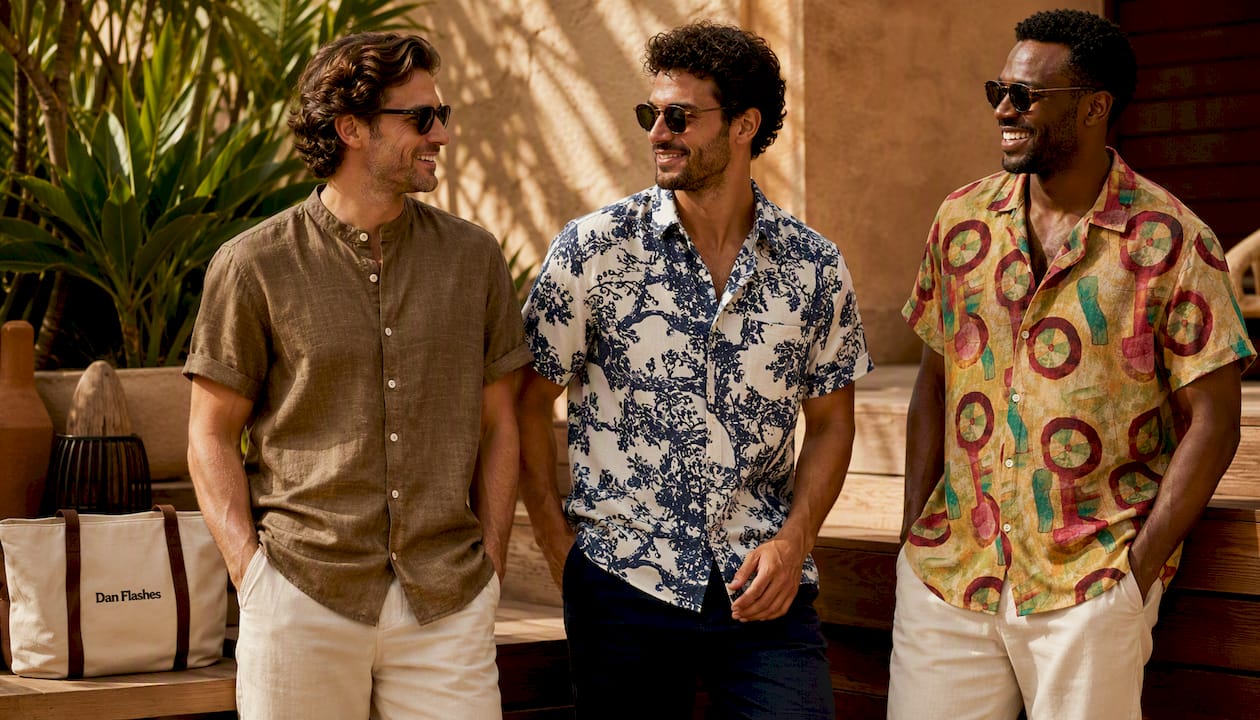
Three styles fit the care routine outlined in this article particularly well. The Essential Pattern Band Collar Shirt works as a daily driver for warm weather and travel. The Tree Print Shirt brings a bold pattern without sacrificing the breathability bamboo-hemp fabric offers. The Premium Pattern Button-Up Shirt suits anyone who wants a dressier cut with the same odor-resisting fiber underneath.
Wash cold, skip the softener, and air dry when you can. That single habit preserves everything that makes these shirts worth buying in the first place. Check sizing and available patterns on the Dan Flashes shirt collection before your next trip or summer event.
Sources
Claims in this article draw on AATCC lab testing standards, the Textile & Leather Review 2023 bamboo fabric study, NPR’s coverage of polyester odor bacteria, and hands-on field reviews from GearJunkie and Countryfile.
- Does Bamboo Clothing Resist Odors? The Real Science Explained - ComfyThreads
- Textile & Leather Review | 2023 | DAKURI A, LOLLA RT - Antibacterial and comfort properties of bamboo fabrics
- Stinky t-shirt: Bacteria love polyester in a special way - NPR
- Free Fly bamboo hoodie review - GearJunkie


