

Batik relies on hot wax to block dye and create crisp, repeatable motifs, while tie-dye uses folding, twisting, and binding to let color bleed into soft, organic patterns. If you want controlled detail and fine linework, batik wins. If you want a fast, playful project with unpredictable bursts of color, tie-dye is the better call.
TL;DR:
- Batik produces precise, repeatable motifs with layered wax application for detailed linework, suitable for formal textiles and requiring consistent patterning.
- Tie-dye creates unpredictable, organic patterns through folding and binding, ideal for casual wear and vibrant, freeform color bursts.
- The wax resist process in batik involves tools like canting or stamps, while tie-dye relies on fabric folding and binding for pattern formation.
- Authentic batik shows dye penetration and crackle lines on both fabric sides, whereas printed or imitation pieces often have faded or blank reverses.
- Cotton, silk, and rayon dyed with reactive or acid dyes hold their color longer, especially after full curing and careful washing, compared to synthetic blends.
Table of Contents
- Batik vs Tie Dye: A Side-by-Side Look
- How Does the Batik Dyeing Process Actually Work?
- What Folding Methods Produce the Best Tie-Dye Patterns?
- How Can You Tell if Fabric Is Batik or Tie-Dye?
- Which Fabrics and Dyes Hold Up Best Over Time?
- Do Designers Combine Batik and Tie-Dye Techniques?
- Why Technique Knowledge Changes How You Shop for Patterned Shirts
- Shop Dan Flashes: Prints Built With the Same Attention to Detail
- Sources
- FAQ
Batik vs Tie Dye: A Side-by-Side Look
Both are resist-dyeing methods, meaning both block dye from certain areas of fabric to build a pattern. The difference is what does the blocking. Batik uses melted wax applied with tools like a canting (a small wax pen) or carved stamps, then dyed in stages so the wax-covered areas stay untouched. Tie-dye skips the wax entirely and uses physical folds, twists, and rubber bands or string to squeeze dye into specific zones of the fabric.
The visual results split accordingly. Batik tends toward crisp outlines, repeated motifs, and fine detail work that looks closer to hand-drawn art. Tie-dye produces rings, spirals, and soft color transitions where you can’t always predict exactly where one hue ends and another begins.
- Batik: wax resist, precise motifs, slower multi-step process, common on formal textile panels, sarongs, and detailed shirt prints
- Tie-dye: fold and bind resist, organic bursts, faster single or multi-session process, common on casual tees and beachwear
- Tools: batik needs wax, a heat source, and canting or stamps; tie-dye needs fabric ties, rubber bands, and squeeze bottles
- Skill curve: batik demands more patience and practice with wax control; tie-dye is more forgiving for first-timers
Wax-based methods generally allow more layering and predictability than fold-resist techniques like tie-dye or Shibori, which is the main reason batik shows up on garments that need repeatable, symmetrical designs.
How Does the Batik Dyeing Process Actually Work?
Batik starts with wax, not dye. A maker applies melted wax to fabric using one of three main tools, and the tool choice shapes the final line quality.
- Canting (tjanting): a small metal-tipped pen that draws fine, flowing lines by hand, ideal for detailed motifs.
- Stamping (cap): a copper stamp dipped in wax and pressed onto fabric, useful for repeating patterns quickly and consistently.
- Brushing: a wider wax application for filling larger background areas.
After the first wax layer sets, the fabric goes into a dye bath. Areas covered in wax resist the color, while exposed fabric absorbs it. Makers repeat this wax-then-dye cycle several times, adding new wax over already-dyed sections to build layered, multi-color designs. Cotton and silk take dye evenly and handle repeated wax applications well, while dyes like reactive Procion dyes bond more reliably at controlled temperatures.
Crackle, the fine web of color lines running through many batik pieces, happens when the cooled wax intentionally cracks before the fabric hits the dye bath, letting thin streaks of color seep through the fractures.
Pro Tip: Keep your wax between 150 and 160 degrees Fahrenheit. Too hot and it soaks through the fabric with no crisp edge; too cool and it flakes off before it can resist the dye. Work in a ventilated space and always remove wax with boiling water or an iron and paper, never solvents that can damage fiber.
What Folding Methods Produce the Best Tie-Dye Patterns?
Tie-dye lives and dies by the fold. The way you gather and bind fabric before dye hits it determines almost everything about the finished pattern.
- Spiral fold: fabric is twisted from a center point into a coil, then tied in wedges, producing the classic swirl.
- Accordion fold: fabric is pleated back and forth in straight lines, then bound at intervals for bold, striped patterns.
- Bullseye fold: fabric is pinched at one point and bound in rings moving outward, creating concentric circles.
Binding materials matter too. Rubber bands are the standard, but cotton string, clamps, and wooden blocks (a nod to Shibori-style resist) create sharper, more geometric lines than rubber bands alone. For strong color uptake, pre-soak fabric in a soda ash solution before applying dye, and let bound fabric cure for at least 6 to 8 hours in a warm spot so the dye has time to react fully with the fiber.
Precision is possible even within tie-dye’s loose style: tighter, more even wraps produce cleaner boundaries between colors, while looser folds create the classic bleeding look. The most common mistake is oversaturating adjacent sections, which muddies colors where two dyes overlap rather than creating the clean color break most patterns are supposed to have.
How Can You Tell if Fabric Is Batik or Tie-Dye?
A quick visual and tactile check usually settles the question without needing a label.
- Look at the edges of each motif. Crisp, clean borders point to wax resist; blurred or feathered borders point to fold resist.
- Check for repetition. Identical, evenly spaced motifs suggest a carved stamp was used in batik; irregular, one-of-a-kind bursts point to tie-dye.
- Flip the fabric over. Genuine batik and tie-dye dye penetrates through to the back of the fabric, while a printed imitation often shows a faded or blank reverse side.
- Look for crackle lines, the thin veined cracks running through color fields; these appear almost exclusively in batik.
- Watch for perfect symmetry or repeating offsets in a printed grid pattern; that’s usually a sign of screen printing or digital print rather than hand-dyeing.
If you’re shopping online, ask the seller whether the piece is hand-dyed or printed, and request a close-up photo of the fabric’s reverse side before buying.
Which Fabrics and Dyes Hold Up Best Over Time?
Cotton, silk, and rayon are the preferred canvases for both batik and tie-dye because their natural fibers absorb reactive and acid dyes more evenly than synthetic blends, which resist dye penetration and often fade faster. Reactive dyes, commonly sold under the Procion name, form a permanent bond with cotton fibers, while acid dyes work better on silk and protein-based fabrics.
- Cure dyed fabric fully (typically 24 hours) before the first wash to lock in color.
- Wash in cold water separately for the first several cycles until rinse water runs clear.
- Avoid fabric softeners and harsh detergents, which strip color faster on both batik and tie-dye pieces.
- Remove wax residue with an iron between layers of paper towel or brown paper, never with solvents that can weaken fiber.
- Dispose of used wax and dye water according to local guidelines rather than pouring them down household drains.
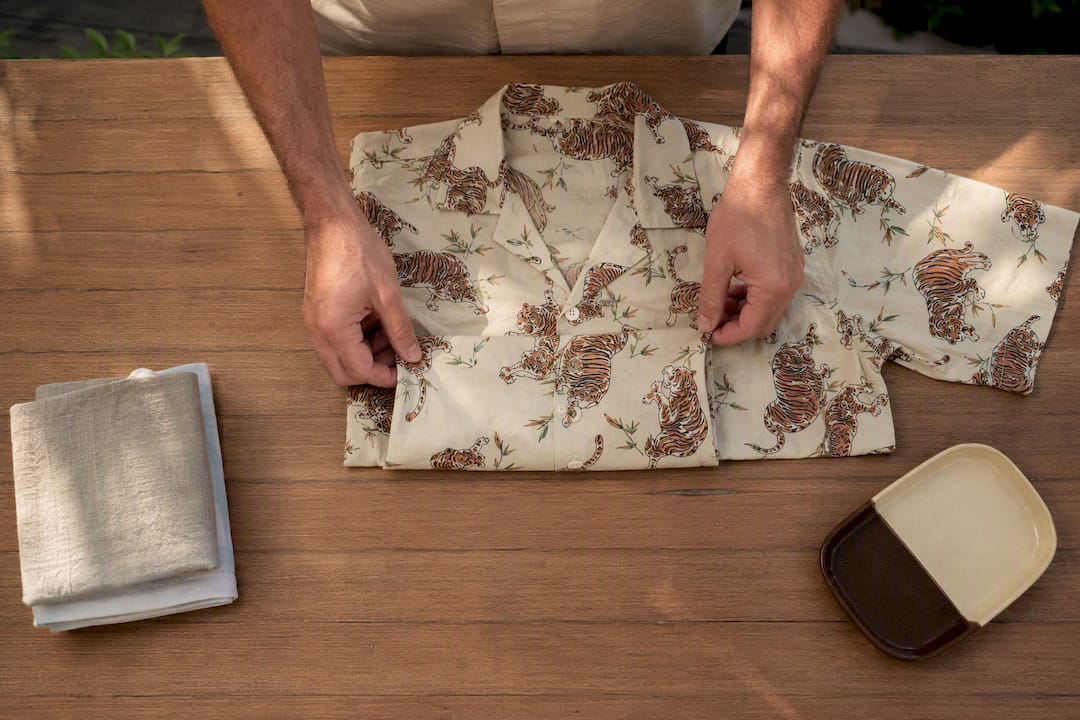
Pro Tip: Store dyed shirts folded rather than hung on wire hangers. Direct sunlight and prolonged hanging both accelerate fading on hand-dyed color, especially along shoulder seams. For more on preserving vivid patterns, see this guide on keeping colorful shirts bright.
Do Designers Combine Batik and Tie-Dye Techniques?
Yes, and the results are often more interesting than either method alone. Many contemporary makers dye a tie-dye background first, let it cure, then add wax-resist batik details on top for fine linework over a spontaneous color base. The workflow runs: pre-dye the background, fix and dry it, apply wax details, then finish with a final dye pass or discharge step if needed.
Combining tie-dye backgrounds with batik wax detailing lets a piece keep its loose, organic energy while adding controlled, repeatable motifs on top, a hybrid approach that shows up increasingly in professional textile work.
For apparel produced at scale, hand-dyeing usually gives way to DTG or screen printing. DTG suits small runs with detailed, photorealistic imagery, while screen printing becomes more durable and cost-effective once order volume climbs. Before committing fabric to a full hybrid piece, test your wax and dye combination on a small swatch of pre-washed material first. Pre-washing removes sizing that can block even dye absorption, and a swatch test catches wax temperature or dye timing problems before they ruin a full garment.
Why Technique Knowledge Changes How You Shop for Patterned Shirts
Knowing the difference between wax-resist and fold-resist methods changes what you look for on a hanger. If you want fine, repeatable motifs, look for crisp linework and check the fabric’s reverse side. If you want bold, high-energy color, tie-dye’s organic bursts are the better fit. Some apparel brands choose fabrics and prints based on how they wear and wash, not just how they photograph. Check the care tag, and don’t be afraid to ask about dye and fabric before you buy.
- Dan Flashes
Shop Dan Flashes: Prints Built With the Same Attention to Detail
Some apparel companies design their prints with careful detail, and offer customer-friendly purchase policies such as money-back guarantees and bundle deals to help build out your summer wardrobe.
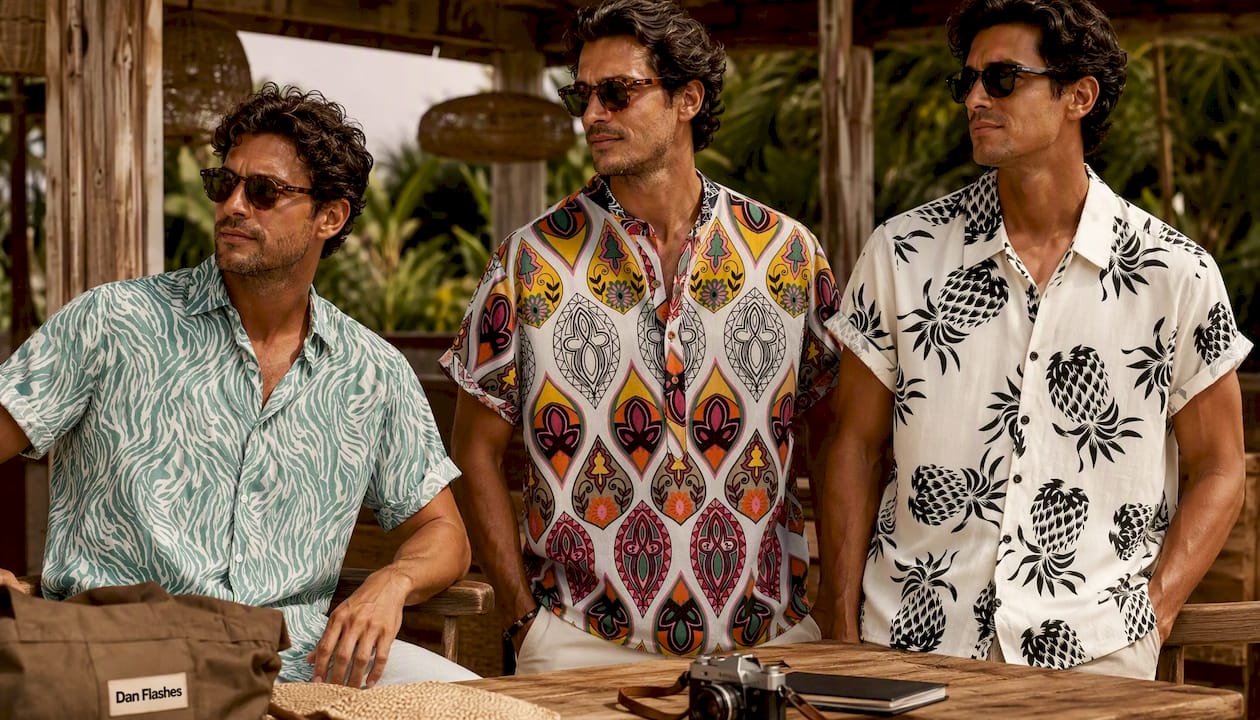
The Tiger Print Beach Shirt brings bold, high-contrast motifs to a lightweight beach silhouette built for warm-weather wear. The Graphic Print Band Collar Shirt trades the traditional collar for a clean band style, letting the graphic print take center stage. The Pina Print Shirt leans into a tropical motif with the kind of repeating detail that rewards a close look.
Browse the full Hawaiian shirt collection or explore patterned shirts sized up to 5XL, and if the fit or print isn’t right, our 30-day return window has you covered.
Sources
- Comparing major resist dyeing techniques - Knowing Fabric
- Batik vs Tie Dye Difference - Unforgotten Gift
- Crackling technique - Irish Art Mart
FAQ
Is Tie-Dye Out of Style in 2026?
Tie-dye has moved past its trend-cycle spike but remains a steady presence in casual and beachwear, especially on tees and button-ups with tropical or bold graphic prints. Collections like Danflashes’s patterned and party shirts show the look still has staying power when paired with strong color combinations rather than treated as a standalone novelty.
What Is the Difference Between Batik and Shibori?
Batik uses hot wax applied with tools like a canting or stamp to block dye, while Shibori is a broader Japanese resist family that includes folding, binding, stitching, and clamping fabric before dyeing. Shibori sits closer to tie-dye’s fold-and-bind approach than to batik’s wax-based method, though both fall under the same resist-dyeing umbrella.
What Are the Four Types of Batik?
Common categories include hand-drawn batik (using a canting for fine detail), stamped batik (using carved copper stamps for repeating patterns), combination batik (mixing hand-drawing and stamping), and printed batik-style fabric (machine-printed imitations of the hand-dyed look). Only the first three involve genuine wax-resist dyeing.
How Can You Tell if a Fabric Is Genuine Batik?
Check the reverse side of the fabric: real batik shows dye penetration through both sides, while printed imitations often look faded or blank on the back. Crisp, non-repeating motif edges and visible crackle lines are also strong signs of authentic wax-resist work rather than a printed pattern.


